

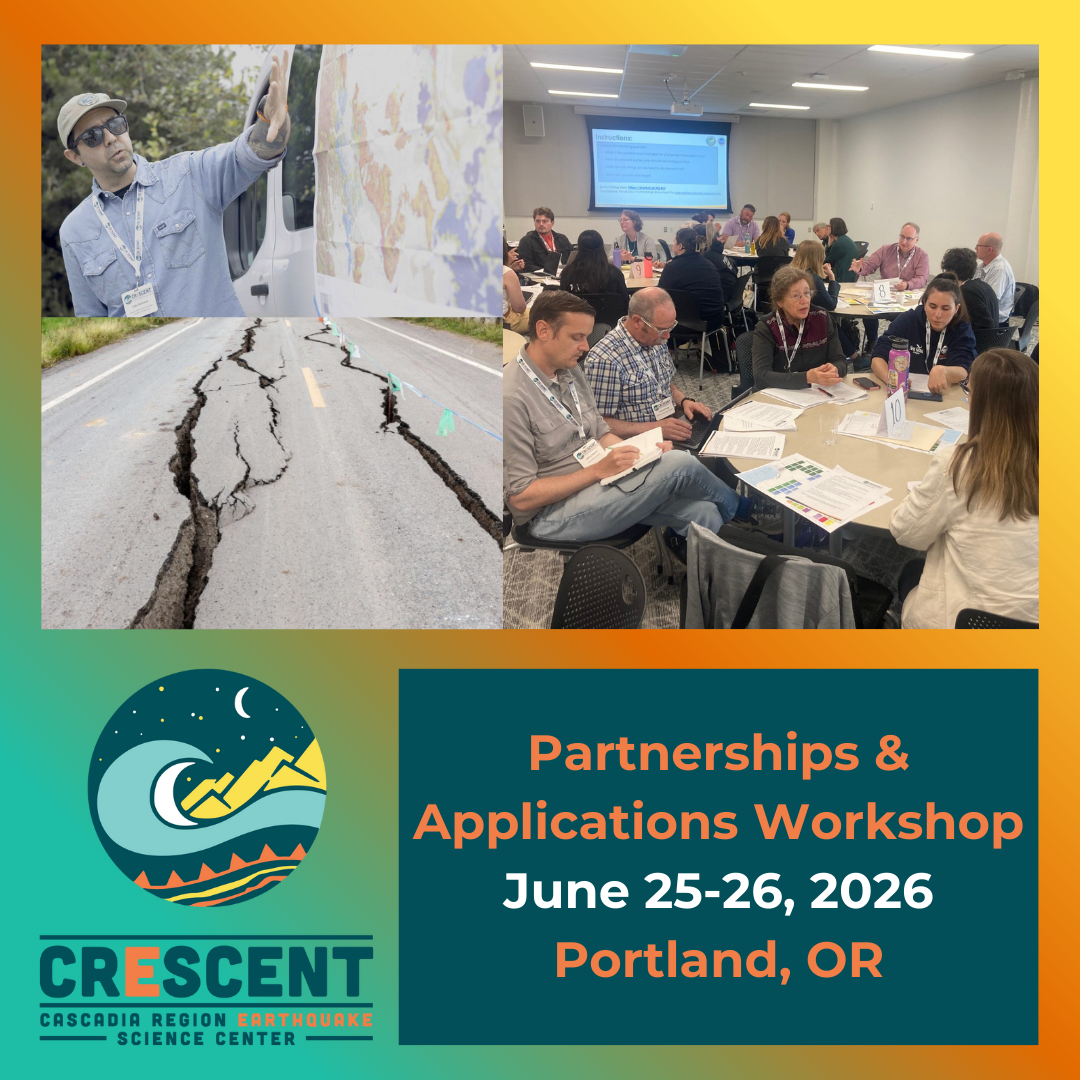
Partnerships & Applications Workshop
June 25-26, 2026
Portland, OR
Save the 2027 workshop dates: JUNE 24-25, 2027
2027 Partnerships & Applications Workshop: University of Oregon, Portland Campus
Workshop Goals

A forum for inter-organizational connection and collaboration around Cascadia seismic research and resilience
“What’s the Scenario?” Aligning Earthquake Science and Resilience Planning Across Cascadia
This is the third Partnerships & Application workshop, designed to explore the challenges and needs of the multi-disciplinary community involved in earthquake hazard study and mitigation in the Pacific Northwest. Workshop discussions in 2024 and 2025 highlighted universal interest in developing scenarios and inter-organizational exercises for preparedness and response as a priority next step. Consequently, a deeper consideration of scenarios has been selected as the central theme for the 2026 P&A workshop, with specific goals to:
- Facilitate community interaction to understand scenario uses and needs
- Determine how science can support use cases and needs with existing or future research/scenario development
- Plan and design specific outputs to:
- Support response and interagency clearinghouses
- Develop strategic partnerships for future coordination and/or scientific research towards resilience
We encourage participation of representatives from across the spectrums of research, practice, policy and community organizations.
Registration
This workshop application is closed. Please save the dates 24-25 June 2027 for next year’s event.
If you have questions about this workshop please email: acliff@uoregon.edu
Meeting Resources
Opening Activity (online)
Notetaking Documents
Meeting Information Packet
Presentation Recordings for Day 1 – 6/25/26
To see chapter headings and skip to presentations of interest please open the embedded video in YouTube:
https://www.youtube.com/watch?v=KbfAjYaFFW0
Day 1 – workshop introduction and presentations from sessions 1, 2, and 3 (see agenda below)
Links to Featured Resources
Scenario information (from presentations)
- United States Geological Survey:
- https://earthquake.usgs.gov/scenarios/catalog/ – including Ground Motion Modeling and simulation-based earthquake scenarios for the Cascadia Subduction Zone megathrust & WA, OR, and offshore crustal faults
- Natural Resources Canada:
- https://riskprofiler.ca/ – interactive platform for exploring consequences from potential earthquake events (scenarios), and from all earthquakes that could affect Canada area over time (probabilistic earthquake risk)
- Earthquake Engineering Research Institute:
- https://eeri.org/developing-earthquake-scenarios – guidelines for scenario development and reports with example scenarios
- https://learningfromearthquakes.org/activities/clearinghouses/ – clearinghouse resources
- Washington Geological Survey:
- https://dnr.wa.gov/washington-geological-survey/geologic-hazards-and-environment/earthquakes-and-faults/seismic-scenarios – 20 scenarios demonstrating hazard and loss estimates for possible earthquake events that could strike Washington state
- https://dnr.wa.gov/washington-geological-survey/geologic-hazards-and-environment/washington-geologic-hazards-clearinghouse – WA state clearinghouse
- Washington Emergency Management Division:
- https://mil.wa.gov/cascadia-rising – resources for statewide earthquake exercise series Cascadia Rising
- Oregon Department of Geology and Mineral Industries:
- https://www.oregon.gov/dogami/pubs/Pages/pubsearch.aspx – DOGAMI publications portal (use search terms “hazard’, “risk”, and “impact” to find scenario related products and reports)
- https://www.oregon.gov/dogami/tsuclearinghouse/Pages/default.aspx – OR tsunami clearinghouse
- Oregon Department of Emergency Management:
- https://digitalcollections.library.oregon.gov/nodes/view/305765 – interactive platform for 2024 Cascadia earthquake state level exercise IronOR
- https://digitalcollections.library.oregon.gov/nodes/view/305765 – IronOR after action review
- https://www.oregon.gov/oem/emresources/Pages/laht-2026.aspx – information on 2026 Cascades volcano state level exercise Getting Through Lahar’d Times
- California Geological Survey:
- https://www.usgs.gov/programs/science-application-for-risk-reduction/science/haywired-scenario – M7.0 Haywired scenario
- https://earthquake.usgs.gov/scenarios/eventpage/bssc2014cascadia_sub0_m9p34_se/executive – M9.3 Cascadia megathrust scenario
- https://www.conservation.ca.gov/cgs/documents/publications/california-geology-magazine/CG_2026-01.pdf – report on multi-state clearinghouse tabletop exercise (p38-39)
- Statewide California Earthquake Science Center:
- https://www.earthquakecountry.org/haywired/toolkit/ – Haywired scenario exercise toolkit
- AF8 [Alpine Fault Magnitude 8.0] (New Zealand):
- https://af8.org.nz/ – award winning program of scientific modeling, coordinated response planning, and community engagement designed around an earthquake scenario for the Alpine Fault on the South Island of New Zealand
- https://af8.org.nz/explore-the-science/kauraka-e-mataku-kia-takatu – short film blending Indigenous knowledge and Western science to explain how Alpine Fault earthquakes have shaped NZ and how understanding future risks can help communities prepare
- Geohazards International:
- https://www.geohaz.org/ghi-next-gen-scenarios-guidance – scenario development guidelines for practitioners
- scenario application and efficacy research:
- Nnenia Campbell, Sue Ann Sarpy, Janise Rodgers, Arrietta Chakos, Heidi Stenner; Characteristics of effective California earthquake scenarios. Earthquake Spectra 2025; 41 (3): 1891–1909. doi: https://doi.org/10.1177/87552930241312707
- Janise Rodgers, Arrietta Chakos, Nnenia Campbell, Heidi Stenner, Sue Ann Sarpy; Effectiveness of California earthquake scenarios in motivating mitigation. Earthquake Spectra 2025; 41 (3): 1863–1890. doi: https://doi.org/10.1177/87552930241312712
- Rodgers, J., Campbell, N., Sarpy, S.A. et al. Using scenarios of geologic hazard events for pre-disaster mitigation. Nat Hazards 122, 204 (2026). https://doi.org/10.1007/s11069-025-07859-z
Other tools and datasets
- CRESCENT Tools, Products and Publications: https://cascadiaquakes.org/products/#library
- Cascadia Lifelines Program Products and Tools – GIS tools and databases to assist resilience practitioners
- Washington Geologic Information Portal – interactive data portal curated by Washington DNR
- United States Geological Survey: Cascadia Subduction Zone Database – USGS dataset compilation for CSZ
- ShakeAlert outreach intitiatives: ShakeAlert Ready Schools and Be ShakeAlert Safe with Rocket program.
ShakeAlert Social Science Research – idea harvesting
Click through the slides below and enter your ideas via the virtual sticky notes!
Asynchronous Q+A Responses
Presentation slides
Available slide decks are linked in the agenda below, indicated by bold blue typeface.
Agenda
Notes: All times Pacific Time. Agenda is subject to change.
Thursday, June 25, 2026
8:00-8:30 Check-in
8:30-9:35 Welcome and opening activity
9:35-10:00 Keynote: “The ShakeOut Scenario 2 Decades Later: What has worked and what hasn’t” presented by Dr. Lucy Jones, Dr. Lucy Jones Center for Science and Society
10:00-10:20 Break
10:20-Noon Session 1: Setting the scenario scene: existing efforts and current developments
Highlighting agencies responsible for scenario development, how to access existing products, and what is being worked on.
- “USGS Earthquake Scenarios in the Pacific Northwest” presented by Audrey Dunham, United States Geological Survey
- “Creating a Shared Understanding of Earthquake Risk in Canada” presented by Tiegan Hobbs, Natural Resources Canada
- “Community Collaboration Efforts by EERI for Scenario Development and Post-Earthquake Clearinghouse Response” presented by Heidi Tremayne, Earthquake Engineering Research Institute
- “Washington Earthquake Hazards: What to Expect When You’re Expecting an Earthquake” presented by Megan Anderson, Washington Geological Survey and Maximilian Dixon, Washington Emergency Management Division
- “Cooking Up Catastrophe: A Recipe for Realistic Hazard Assessment and Exercises in Oregon” presented by Reed Burgette, Oregon Department of Geology and Mineral Industries and Robert Quinn, Oregon Department of Emergency Management
- “Preparing for Earthquake and Tsunami Reconnaissance with the use of Scenarios” presented by Kate Thomas, California Geological Survey and Todd Becker, California Governor’s Office of Emergency Services
- “HayWired Scenario Exercise Toolkit Development and Trainings: A Model for End-User Engagement with Scenario Results and Data” presented by Mark Benthien, Statewide California Earthquake Center
CRESCENT Working Groups and Special Interest Groups:
Updates and a focus on each group’s research and products relevant to scenario applications
- Ground Failure (GF) presented by Ben Leshchinsky, Professor, Oregon State, University
- Community Fault Model (CFM) presented by Ashley Streig, Earthquake Hazard and Geophysics Program Manager, Washington Geological Survey
- Dynamic rupture, Earthquake cycles, Tsunami models (DET) presented by Maricela Best McKay, Postdoctoral Scholar, University of Oregon
- Coupling, Seismicity, Slow Slip (C3S) presented by Brendan Crowell, Assistant Professor, The Ohio State University
- Community Velocity Model (CVM) and Ground Motion Modeling (GMM) presented by Valerie Sahakian, Associate Professor, University of Oregon
- Cascadia Paleoseismology (CPAL) and Tsunami Sources for Hazard Assessment (TSHA) presented by Carrie Garrison Laney, Coastal Hazards Specialist, Washington Sea Grant
- Offshore Observations (OO) presented by Harold Tobin, Professor / Director, University of Washington / Pacific Northwest Seismic Network
12:00-1:00 Lunch (provided)
1:00-2:30 Session 2: How are scenarios used?
This session will showcase case studies for the variety of ways in which scenarios are used.
Risk and response planning
Exercises and training
Policy, education and outreach
- “From Hazard to Decision: How Earthquake and Tsunami Scenarios Drive Insurance Risk Management and Response” presented by Shubharoop Ghosh, ImageCat, Inc.
- “From Scenarios to Safety: How PG&E Prepares for Natural Hazards” presented by Megan Stanton, Pacific Gas & Electric
- “Scenario-based planning for plate boundary earthquakes on the Alpine Fault, New Zealand” presented by Caroline Orchiston and Alice Lake-Hammond, New Zealand QuakeCoRE/AF8
- “The power of scenarios as stories to change public perception and policies” presented by Sara McBride, California Seismic Safety Commission
Discussion
2:30-3:00 break
3:00-4:30 Session 3: What are the community’s scenario needs?
This session will explore the needs identified for scenarios development and who we need to work with.
“Increasing the Effectiveness of Geologic Hazard Scenarios for Mitigation” presented by Janise Rodgers, Geohazards International
4:30-6:00 Reception and Poster/Digital Media Session (appetizers provided, cash bar)
Friday, June 26, 2026
8:30 Check in
9:00-10:00 Opening Activity – mini tabletop exercise
An abbreviated earthquake tabletop exercise for a broad CRESCENT audience.
Objectives:
- Earthquake response discussion and problem solving by a diverse group of stakeholders.
- Exercise should highlight the varied perspectives represented in the room – ranging from earthquake scientists, engineers, emergency management, tribal and local organizations, utilities, road infrastructure, medical preparedness managers, and more.
- Develop insights to motivate scenario themed sessions the remainder of the day.
10:00 Break
10:30-Noon Session 4: From scenario to response: aligning post-earthquake science and data coordination in Cascadia
Goal is to address the need for more dialog across borders and between sectors about the roles, responsibilities, and actions for post-earthquake response, with a focus on science, data, and situational awareness.
12:00 Lunch
1:00-2:30 Session 5: Exploring collaborative frameworks
For defined “priority themes”, establish:
- who currently works together
- who else should be at the table
- how do we span borders (state/country)
- what are the collective “science” or data” needs to support this effort
2:30 Break
3:00-4:00 Session 6: Establishing working groups and plans
For the listed “priority themes”, define:
- core working group
- coordination/meeting strategy
- possible funding mechanisms, e.g. FEMA MSNEA
- short and long-term action items
- how could CRESCENT support this
4:00-4:30 Closing Remarks
Poster and Digital Media Session Details
Workshop Planning Committee
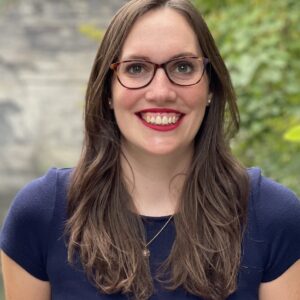
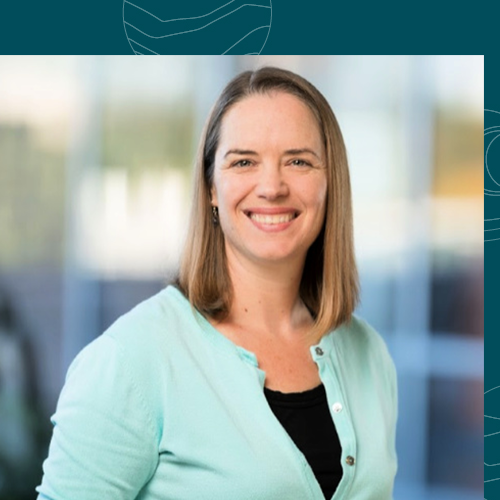
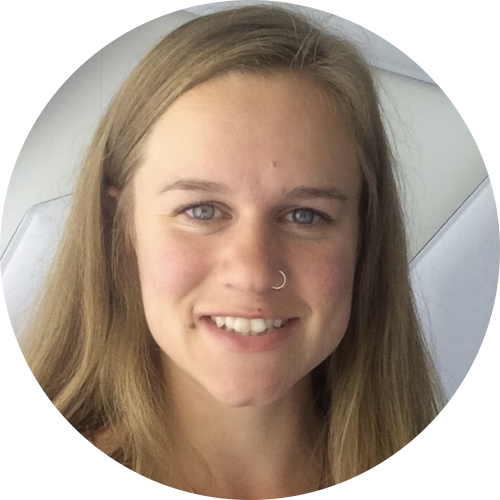
This year’s planning committee includes representatives of partner organizations from California, Oregon, Washington, and British Columbia. Each member brings valuable experience, perspective, and connections relevant to community scenario needs and interests.
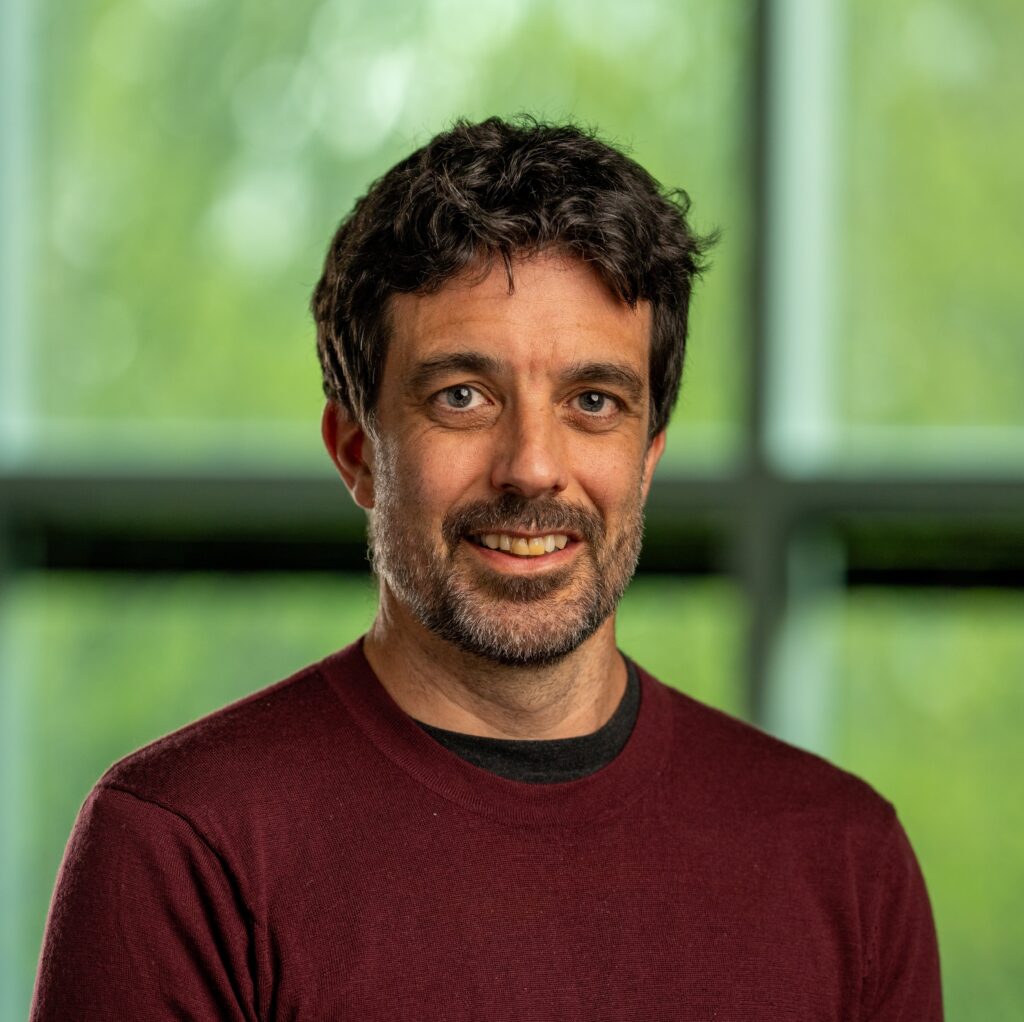
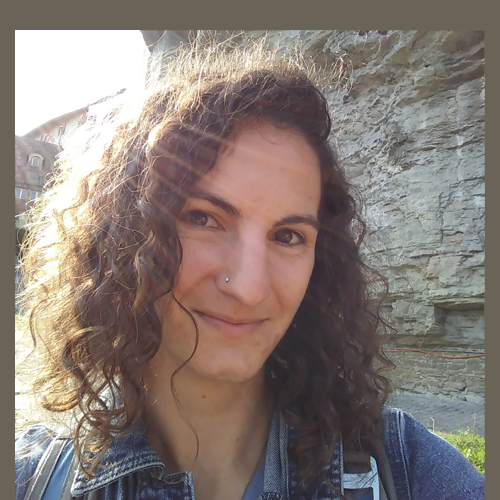
Valerie Sahakian
CRESCENT/University of Oregon
vjs@uoregon.edu
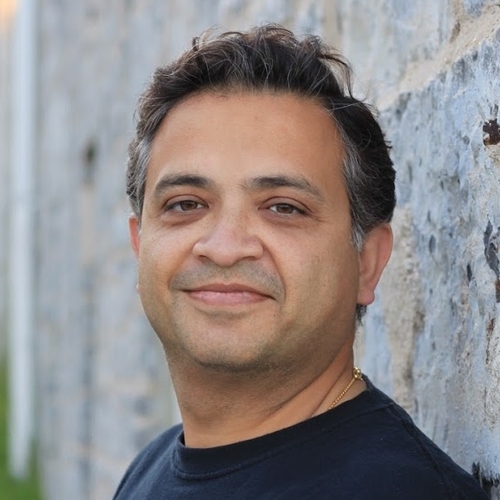
Shubharoop Ghosh
Image Cat Inc.
Audrey Dunham
United States Geological Survey
Ashley Streig
Washington Geological Survey
Tiegan Hobbs
Geological Survey of Canada
