Shannon Fasola

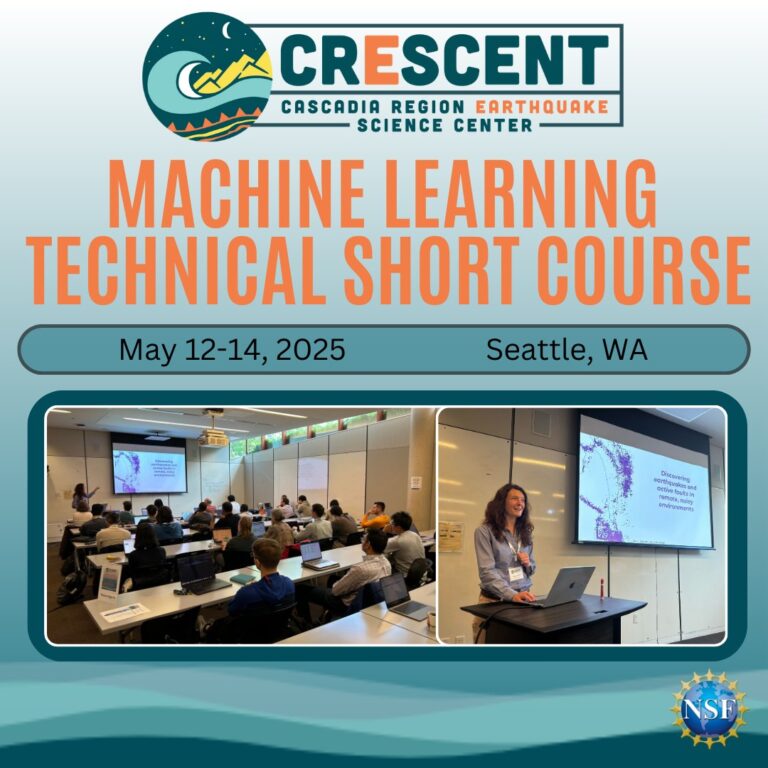
Machine Learning Technical Short Course

This three-day short course provides a hands-on introduction to machine learning techniques for seismic event analysis. Participants will learn to develop AI-aided earthquake catalogs through three key steps: event detection, association, and location with quality control. The course covers neural network architecture selection, model training, performance metrics, and application to continuous seismic data. The workshop will include a mix of presentations and hands-on tutorials. The final day will include a participant hack-a-thon in which students attempt to develop a machine learning based quality control workflow to apply to future generations of machine learning earthquake catalogs.

Machine Learning Technical Short Course Read More »
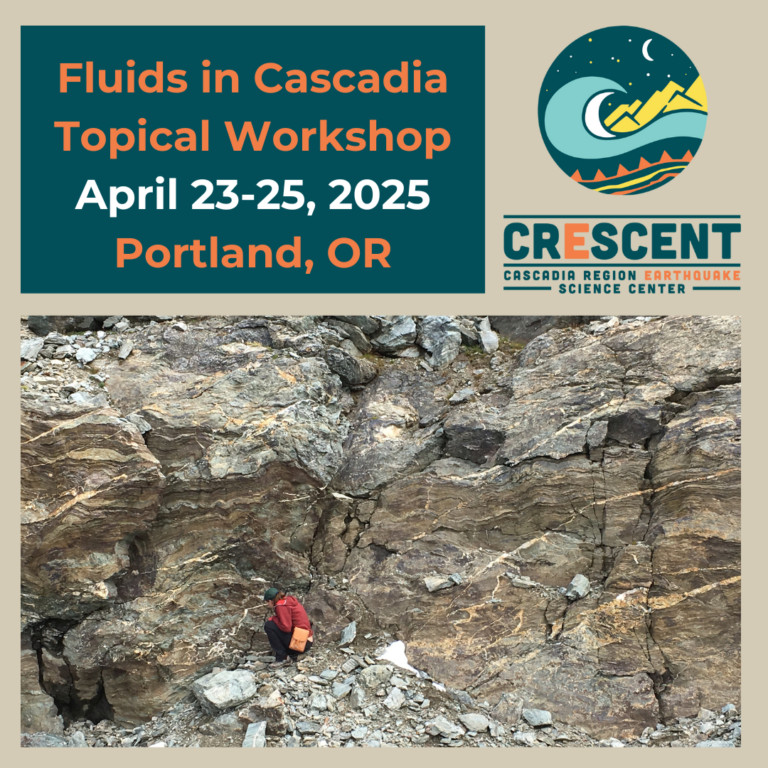
Fluids in Cascadia Topical Workshop

Fluids are ubiquitous in subduction zones and play a fundamental role in modulating many observed processes along the megathrust and other related faults, including slip behaviors and deformation mode. This cross-disciplinary workshop brings together geophysicists, geologists, geochemists, and modelers to discuss the role of fluids in Cascadia.

Fluids in Cascadia Topical Workshop Read More »

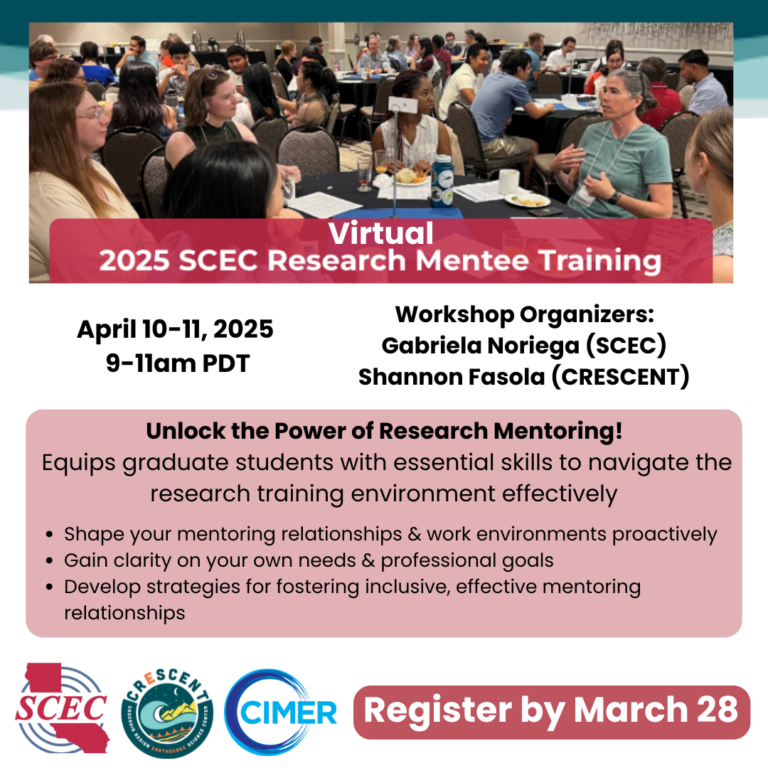
Spring 2025 Mentee Training

Graduate Students Unlock the Power of Research Mentoring!

Statewide California Earthquake Center – SCEC and CRESCENT are co-facilitating an interactive training to equip graduate students with essential skills to navigate the research training environment effectively. This training is built on the evidence-based Entering Mentoring curriculum from the Center for the Improvement of Mentored Experience in Research (CIMER).

Spring 2025 Mentee Training Read More »

1. First Site Visit at NBHS

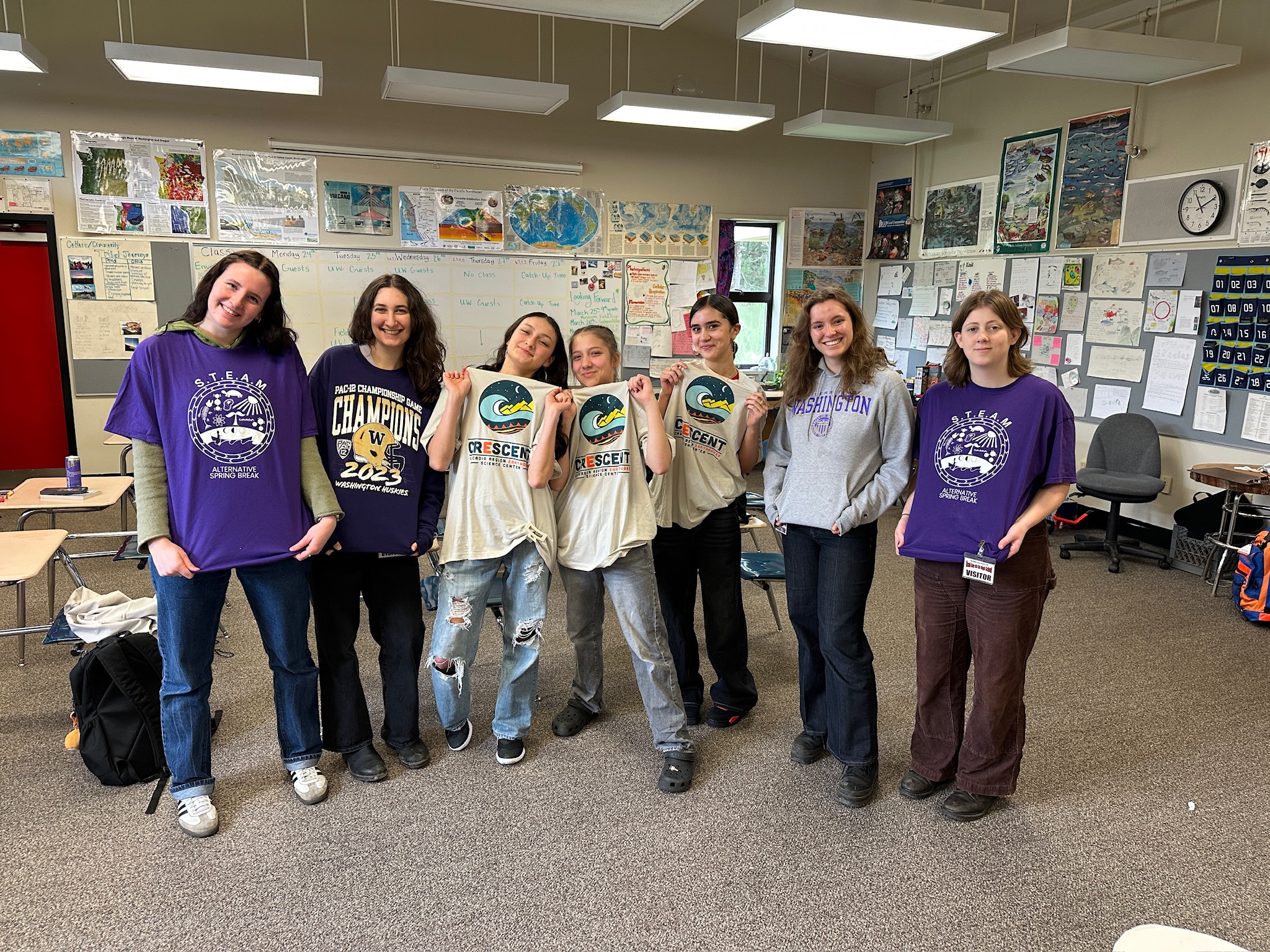
Here are some photos from the first Makah CASE site visit to Neah Bay High School (NBHS) from December 2-4! NBHS is on the Olympic Peninsula in the Makah Nation. My team and I taught a lesson about earthquakes and seismometers to three high school science classes. We also got to know the students and teachers, participated in a Makah language class (we did really well on the Quizlet games!) and were given a private tour of the Makah Cultural and Research Center Museum by Elder Mare. Excited to go back and teach for a week in the spring!

1. First Site Visit at NBHS Read More »

Twinning Student Application

Twinning Program Requirements At the time of applying, you must: No prior research experience is required! Applications are evaluated in the context of each applicant’s academic interests, personal experiences, and potential for growth. Application Instructions Applications for the 2026-2027 Twinning Program are closed. Applications open annually around February and close April 15 at 11:59 pm Pacific Time. Required Materials:Please have your official or unofficial transcripts in PDF form ready to attach to the application. Questions? Please contact GEI Program Manager Shannon Fasola (sfasola@uoregon.edu). 2026-2027 Projects Remote-Eligible Projects Projects that can be completed remotely during the academic year. Students from any U.S. institution are encouraged to apply. Evaluating the Real-World Impacts

Twinning Student Application Read More »