
Ground Motion Modeling

Workshop Goals

Ground Motion Modeling Topical Workshop

The goal of the Ground Motion Modeling Topical Workshop is to define from a community perspective the broad needs, goals, and directions of ground motion modeling and hazard in Cascadia and to identify priorities in fundamental and applied science directions for the next decade.  The desired outcome is to write a peer reviewed roadmap or opinion piece for this frontier.
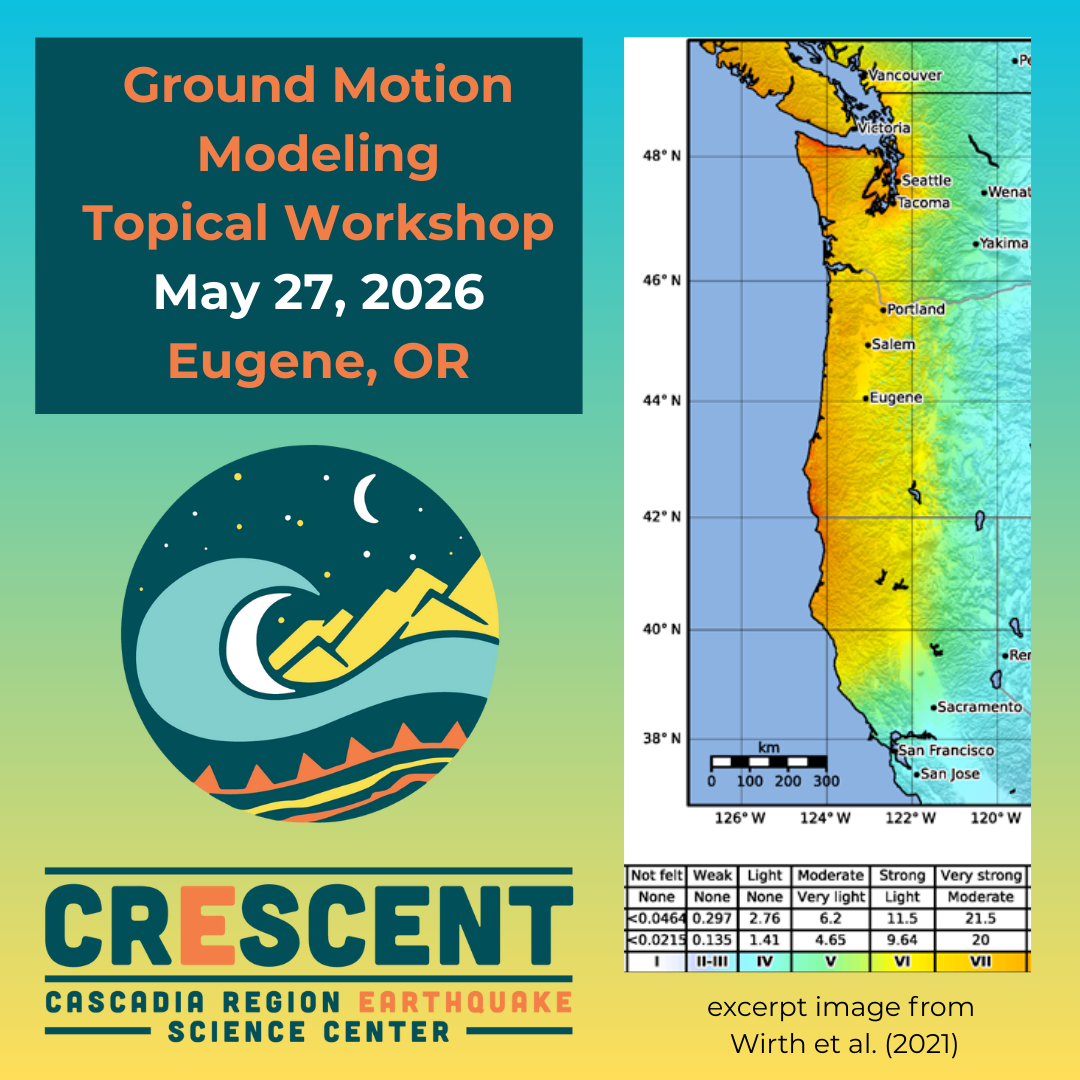
The Ground Motion Modeling Topical Workshop originally scheduled for October 2025 was postponed. We are continuing to pursue our goals through two virtual sessions open to the CRESCENT community, followed by an in person workshop on Wednesday, May 27th 2026.

GMM Special Interest Group Virtual Sessions

Virtual Session Agendas

Notes: All times Pacific Time. Agenda is tentative and subject to change.

Friday, January 9, 2026 – Outputs: What ground motion estimation in Cascadia needs to address

Presentation slides – See links in agenda below for slide decks

9:00 – 11:00 am P.S.T., on zoom

Thursday, January 29, 2026 – “Inputs and Methodologies”

9:00 – 11:00 am P.S.T., on zoom

  • Zoe Krauss (UW): “PNW Earthquake Catalogs and Waveform Data”
  • Audrey Dunham (USGS):  “Large-Scale Simulations for Improved Seismic Hazard Characterization in Cascadia”
  • Pieter Share (OSU): “Supplementing the shallow CRESCENT CVM: High-Resolution Sedimentary and Shallow Crustal Structure for Ground Motion Studies from Nodal Array Adjoint Tomography”
  • alex grant (USGS): “Geologic constraints on Cascadia paleoearthquake shaking intensities”
  • Grigorios Lavrentiadas (University at Buffalo): “A Non-Ergodic Ground Motion Model for the Groningen, Netherlands: Merging Physics-Based Simulations and Empirical Observations”
  • Alice Gabriel (UCSD): “Near-Instantaneous physics-based reduced-order modeling for shake maps, seismograms, dynamic rupture and the seismic cycle”
  • Q&A and Discussion

Topical Workshop Agenda

Notes: All times Pacific Time.

Wednesday, May 27, 2026

Eugene, OR

  • Agenda forthcoming

Travel & Lodging

Venue

This CRESCENT Topical Workshop will be held at the University of Oregon, in the Gumwood Room of the Erb Memorial Union Building (EMU) located at 1395 University St., Eugene, OR 97403

Local information

The EMU is located at the heart of the University of Oregon campus, within easy reach of downtown Eugene and surrounding places of interest. Click here for information on where to eat, drink and recreate, or check this map for more ideas.

Flights and ground transportation

Eugene airport (EUG) is a ~20 minute drive from the meeting venue. There is no public transportation from the airport to the university, though several taxi, shuttle and rideshare options are available.

Parking

The University of Oregon has two main parking garages that are an eight-minute walk from the workshop venue: 13th St Garage and Millrace Drive Garage. Daily visitor permits for other campus lots, including ADA parking spaces, are available via the University’s parking portal.

Lodging

CRESCENT has selected the Residence Inn by Marriott Eugene Springfield as their host hotel. Located 1.6 miles from the meeting venue, the hotel is conveniently located near restaurants and a multi-use path leading to UO campus. Here is a trail map from the hotel to the EMU. PeaceHealth Rides has bike a couple of bike share hubs near the hotel. Lyft and UBER are also available in the Eugene area.

To book lodging at the Residence Inn negotiated CRESCENT group rate, follow this link and book by April 26, 2026. A hot breakfast buffet is included with the room rate. The property has an outdoor pool, hot tub and fitness center. On-site parking is available at $10 per vehicle, per day.

The Hayward Inn and Best Western New Oregon are hotel options less than a 10-minute walk from the venue though they are likely sold out or very high rates due to a track and field competition taking place at the same time as the workshop.

Workshop Planning Committee

Valerie Sahakian, University of Oregon

Valerie Sahakian
University of Oregon
vjs@uoregon.edu
Alice Gabriel
University of California, San Diego
algabriel@ucsd.edu 
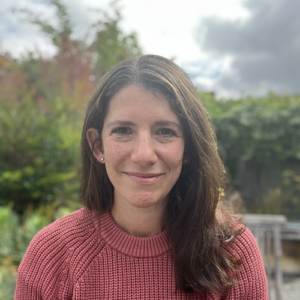
Erin Wirth, US Geological Survey

Erin (Wirth) Moriarty
United States Geological Survey
emoriarty@usgs.gov
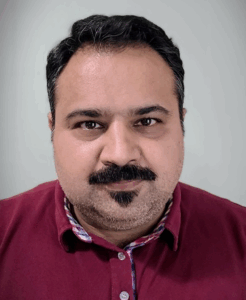
Emrah Yenier
Haley & Aldrich 
EYenier@haleyaldrich.com
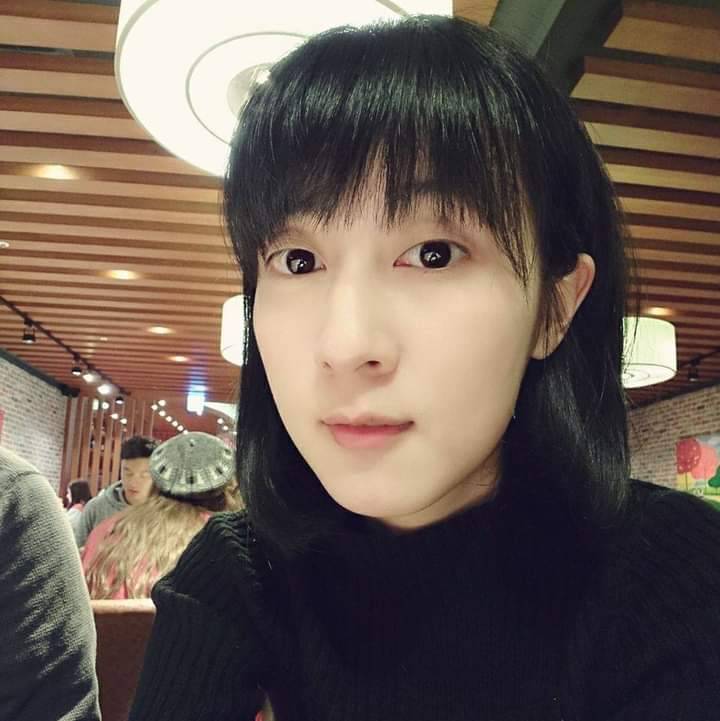
Chih-Hsuan Sung
University of California, Berkeley
karensung@berkeley.edu 
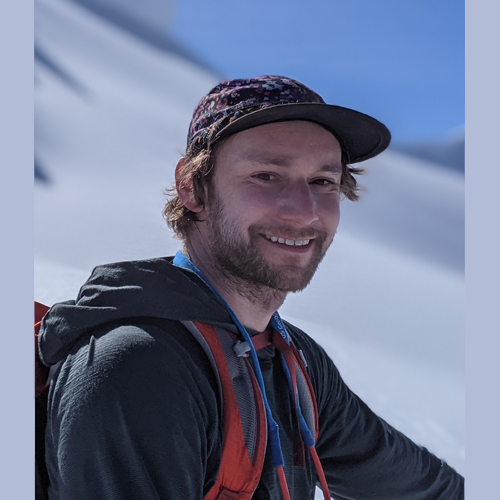
Alex grant, US Geological Survey

alex grant
United States Geological Survey
agrant@usgs.gov
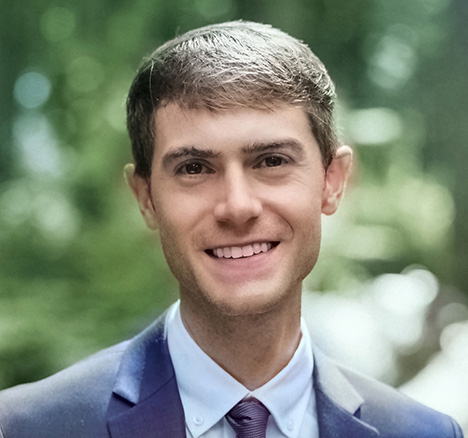
Brett Maurer
University of Washington
bwmaurer@uw.edu
Norman Abrahamson
University of California, Berkeley
abrahamson@berkeley.edu 
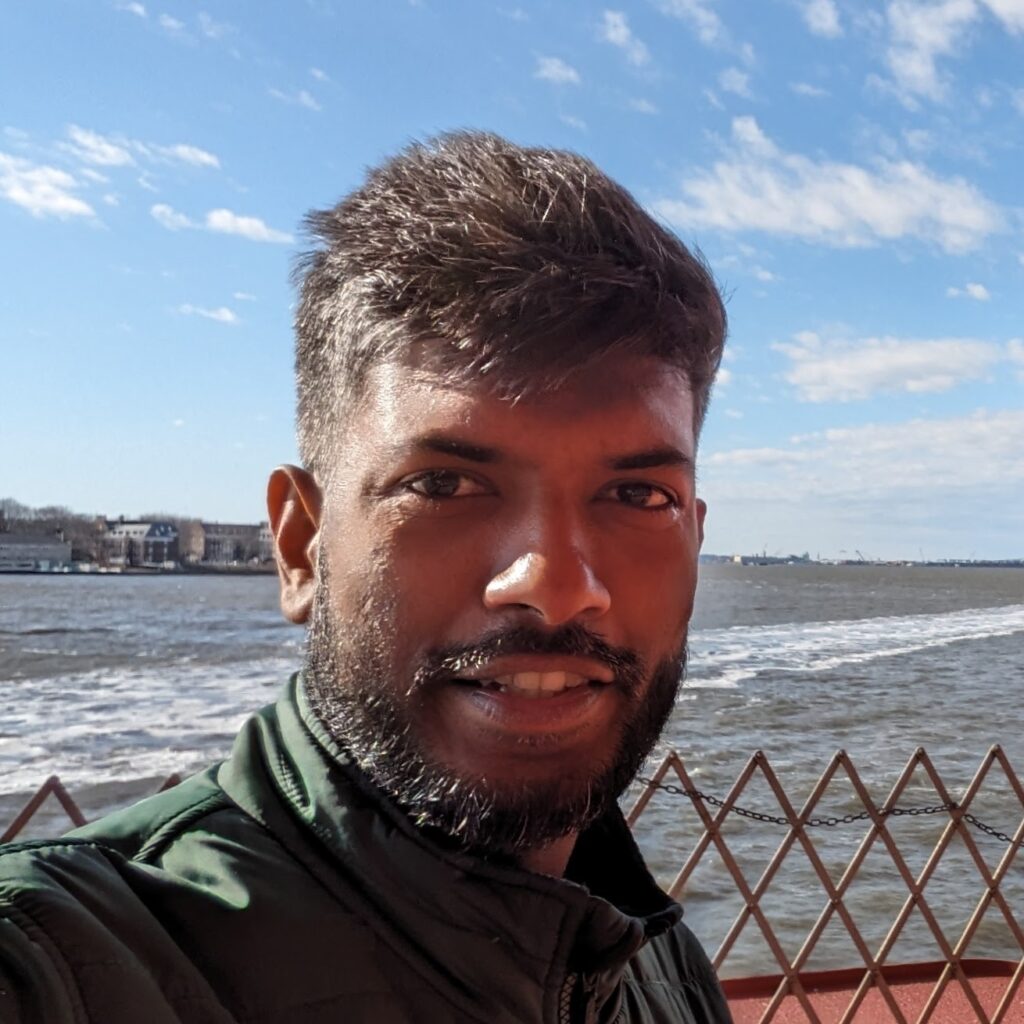
Morgan Moschetti
United States Geological Survey
mmoschetti@usgs.gov

Skip to content