Cascadia Culture and geoScience Exchange Program
Quileute – Kʷòʔlíyot’
Since time immemorial, the Quileute Tribe, now located at the village of La Push, has lived and hunted across the vast coastal territories of the Olympic Peninsula of Washington. Through their Move to Higher Ground project, the Quileute Tribe has led the way in adapting to coastal geohazards in the Pacific Northwest. The Move to Higher Ground project resulted in the successful relocation of the Quileute Tribal School (QTS) out of the Cascadia tsunami zone in Summer 2022. For many years, QTS and the Quileute Tribe have generously welcomed UW students into their school and community, sharing their culture with us. Liʔatsḳal (Thank you).
About
Program History

Over the past three years, UW graduate student Madeleine Lucas has led a team of UW students to develop and teach week-long Earth Science curricula focused on geology (2022–23), seismology (2023–24), and geomorphology (2024–25) to QTS high school students over UW’s spring break as part of the Riverways STEM Alternative Spring Break (STEM ASB) program. In 2023–2024, with support from the Cascadia CoPes Hub, Madeleine expanded this program into a year-long engagement with QTS through the Riverways Culture and Science Exchange (CASE) Program.
The 2023–2024 year-long CASE program included a student internship, in which three QTS high schoolers joined the “7 Shakers” team to install a RaspberryShake seismometer in QTS, design and build a community seismic display, monitor earthquakes, and translate seismological terms into Quileute as part of the seismology curriculum.
The year-long program continued in 2024–2025, with support from CRESCENT, with a new focus on geomorphology. In past years, QTS students expressed interest in learning about the geoscience of local waterways, so the 2024–2025 curriculum centered on the geomorphology of the rivers that weave through the Quileute watershed and empty into the Pacific Ocean at La Push. The waterways of the Quileute Nation are central to Quileute life and culture, and the program emphasized how understanding the geomorphology of these landforms and waterways—from both Indigenous and Western perspectives—can help communities better understand and prepare for future Cascadia geohazards such as earthquakes, tsunamis, and floods.
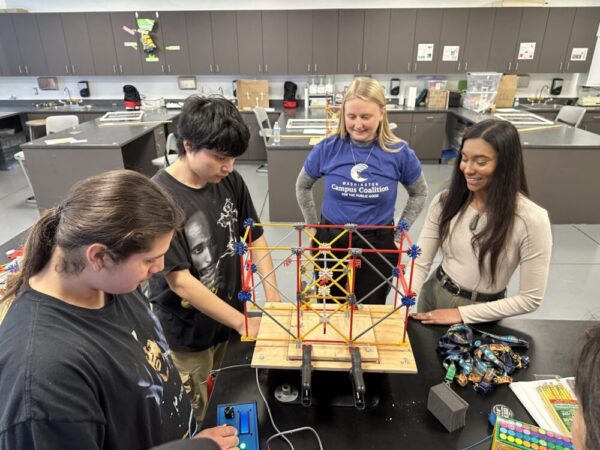
In-class earthquake engineering activity in partnership with UW geotechnical engineering program (2024).
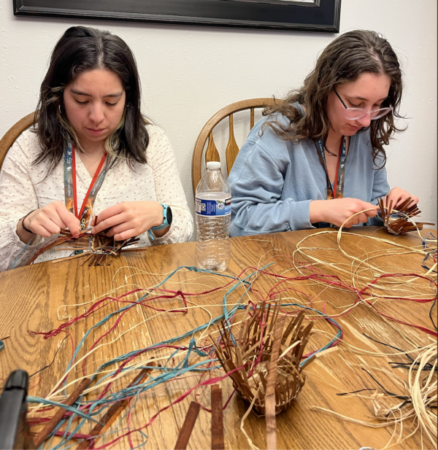
Learning basket weaving with Hoh elder Marie Riebe as part of cultural exchange (2024).
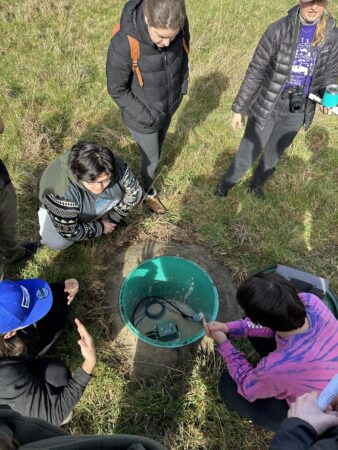
High school field trip to the HOHM seismometer led by Pacific Northwest Seismic Network field engineer Doug Gibbons (2024).
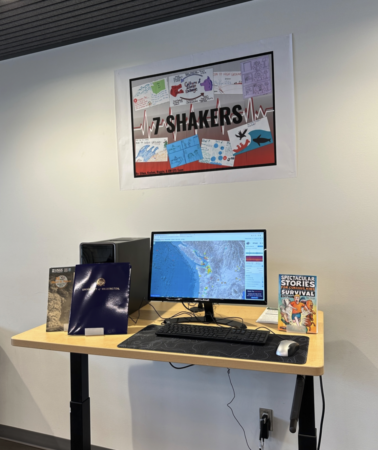
RaspberryShake seismic station installed in the Quileute Tribal School by high school interns Maggie, Kaylani, and Ethen (2024).
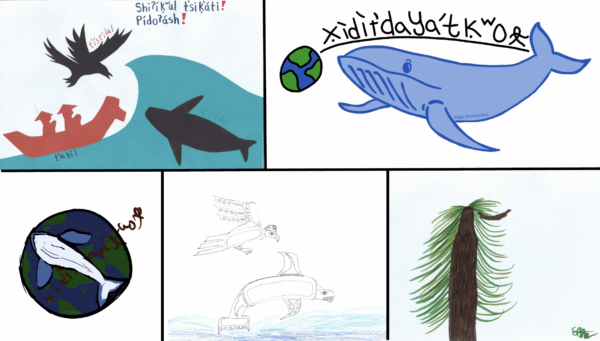
QTS high school student artwork reflecting on a week of lessons about Cascadia earthquakes, tsunamis, and community resilience (2024).
About
Program Overview
During the 2025-26 CCASE program, our team will develop and teach a 5-day, high school tsunami curriculum and continue our high school internship program. In past years, QTS students have expressed interest in learning about the geoscience of subduction zone induced tsunamis. So, our curriculum will be focused on the history and evidence of tsunamis on the coast of Washington. Híx̣as asaḳɫásalo kʷoˀlíyot̓, yíx̣ kʷoˀliyot̓ilo t̓siḳ̓áti (Quileute Land is Quileute Culture). The coast of the Quileute Nation is central to Quileute life and culture. In our program, we will emphasize combining the oral tradition of tsunami and earthquake history of the Quileute people with the western science perspective of paleotsunami events.
Program Outline
Fall Site Visit
- Teach 1 day paleotsunami lesson,
- Introduce spring break curriculum, have students design badges they can earn for completing tasks in spring break curriculum
- Introduce new team members and continue relationships with students and community members
- Meet with interns and possibly conduct a field trip to the coast
UW Spring Break
- Teach (5 day tsunami curriculum)
- Participate in cultural activities
- Learn more Quileute language skills
Follow
2025-2026 Quileute CASE Blog
Follow the journey of the Quileute CASE program and hear from high schoolers in the program!
Learn About the 2024-2025 Quileute CCASE Program
Meet The Team
Quileute CASE Leadership
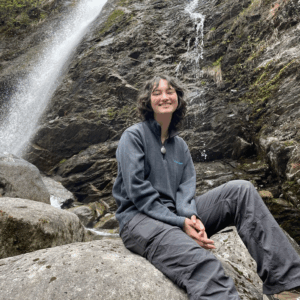
Bering Tse
Quileute CASE Lead
University of Washington
Bering is a second year Master’s student in the department of Earth and Space Sciences at the University of Washington. Originally from New York state, Bering has a broad interest in understanding the processes that shape landscapes. Currently their research focuses on improving understanding of paleotsunami events in Cascadia using coastal sediment deposits. Bering enjoys spending time outside while hiking, climbing, and learning to identify plants. This is their first year on the QTS CASE team and they are looking forward to building skills and excitement with a new generation of scientists.
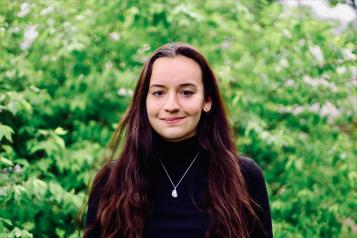
René Castillo
Culture Lead
Ohio State University
René is an Earth Science PhD student at Ohio State University. This is her 2nd year on the QTS CASE team. René’s research is centered on her fascination with geohazards, extreme environments, and outdoor recreation! She is passionate about exploring the dynamic forces of our planet while seeking adventure in the great outdoors. As a geohazard enthusiast, she has always been captivated by the raw power of nature. Whether it’s studying volcanic eruptions, earthquakes, or landslides, she is constantly amazed by the Earth’s ever-changing landscape. Her academic and professional journey has led her to study unraveling the mysteries of geohazards and understand their impact on our environment and society. But it’s not all about studying disasters; she is equally drawn to extreme environments. From the depths of the oceans to the icy moons of other planets, René thrives on pushing the boundaries of scientific knowledge. When not immersed in geoscience research, you’ll find René indulging in outdoor recreation or baking bread. Hiking, camping, rock climbing, and kayaking are her go-to activities to connect with nature and recharge the spirit.
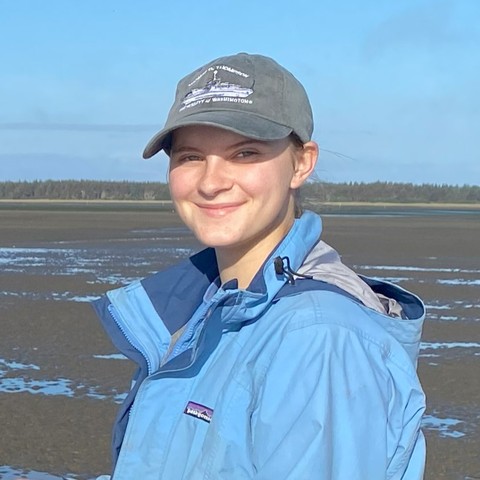
Abbey Moore
Science Lead
University of Washington
Abbey is a 3rd-year graduate student in the University of Washington’s School of Oceanography. She studies sediment transport in marine environments with the UW Sediment Dynamics Lab and helps refurbish autonomous underwater vehicles known as Seagliders for scientific use. Abbey is interested in sharing what she has learned about ocean science and coastal geology with communities directly affected by these processes. This is her 2nd year with the QTS CASE team and is excited to return to La Push, Washington to collaborate with students and teachers at the Quileute Tribal School. Outside of academics, Abbey likes to sketch, swim, and take long walks around the city.
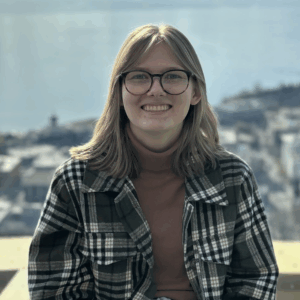
Alyssa Iverson
Communication Lead
University of Washington
Alyssa is a senior undergraduate at the University of Washington studying Geoscience. This is her 2nd year on the QTS CASE team. She grew up in Federal Way, Washington where she constantly explored the Puget Sound and surrounding Cascade mountains, sparking her love for earth sciences. Her interests are in structural geology and geomorphology, specifically how faults form at subduction zone margins and how they affect landscape evolution. Alyssa is going to attend graduate school next year to study these topics for a PhD after graduating from the University of Washington. She is also passionate about outreach and making science more accessible to the non-scientific community. She is excited to work with the Quileute CASE team again this year to connect with and participate in cultural exchange with the Quileute tribal community to continue these commitments.
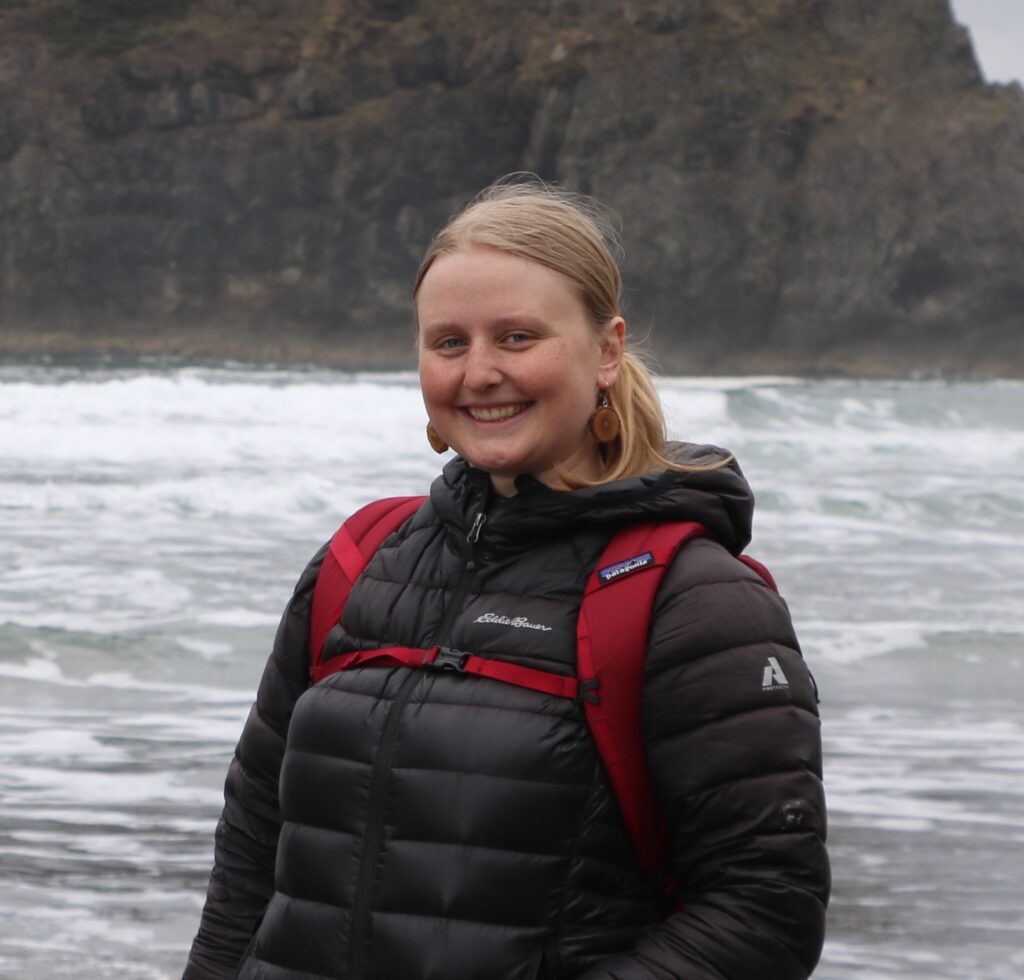
Madeleine Lucas
Quileute CASE Supervisor
University of Washington
Madeleine is a PhD student in the Department of Earth and Space Sciences at the University of Washington and a Washington Sea Grant Coastal Resilient Fellow for the Shoalwater Bay Tribe. She is passionate about sharing her knowledge and love for the Earth Sciences with communities directly impacted by her research on Cascadia earthquake and tsunami hazards. Madeleine aims to inspire kids from all walks of life to pursue the geosciences. Over the past three years, she has led the development of a partnership between UW Riverways program and the Quileute Tribal School to exchange culture and science with high school students, teachers, and the broader Quileute Tribal community. Driven by a deep passion for both teaching, community engagement, and research, Madeleine aspires to merge these interests in her future career. She looks forward to working with CRESCENT on her work building strong educational partnerships with coastal communities in Cascadia to increase community resilience to earthquakes and tsunamis in Cascadia.
Dr. Elizabeth Davis
Quileute CASE Internship Coordinator
10,000 Years Institute
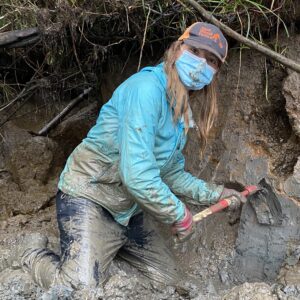
Elizabeth is a research geologist at the 10,000 Years Institute in Forks, WA and alumna of the University of Washington. She has spent the last decade involved in geohazards research on the Pacific coast of Washington, Seattle, Mexico, and Chile, specializing in the geologic history of earthquakes, landslides and tsunamis. Outside of research, she loves biking and growing vegetables.
Meet The Team
Quileute CASE Partner Teachers & Staff
Alice Ryan
7-12 Science Teacher
Quileute Tribal School
Scott Jackson
Math/Science/Quileute Language Teacher
Quileute Tribal School
Jacob Anderson
IT/Field Trip Support
Quileute Tribal School
Alexis Ward
QTS Culture Instructor
Quileute Tribal School