Geoscience Education and Inclusion
Cascadia Culture and geoScience Exchange Program
About
Program Overview

The Cascadia Culture & geoScience Exchange (CCASE) Program is a University of Washington (UW)–based, year-long high school STEM program that grew out of UW Riverways Education Partnerships’ Culture and Science Exchange model. Launched in 2022 by UW Earth and Space Sciences graduate students, CCASE connects geoscience education with place-based, reciprocal learning in coastal tribal communities, with a focus on Cascadia geohazards.
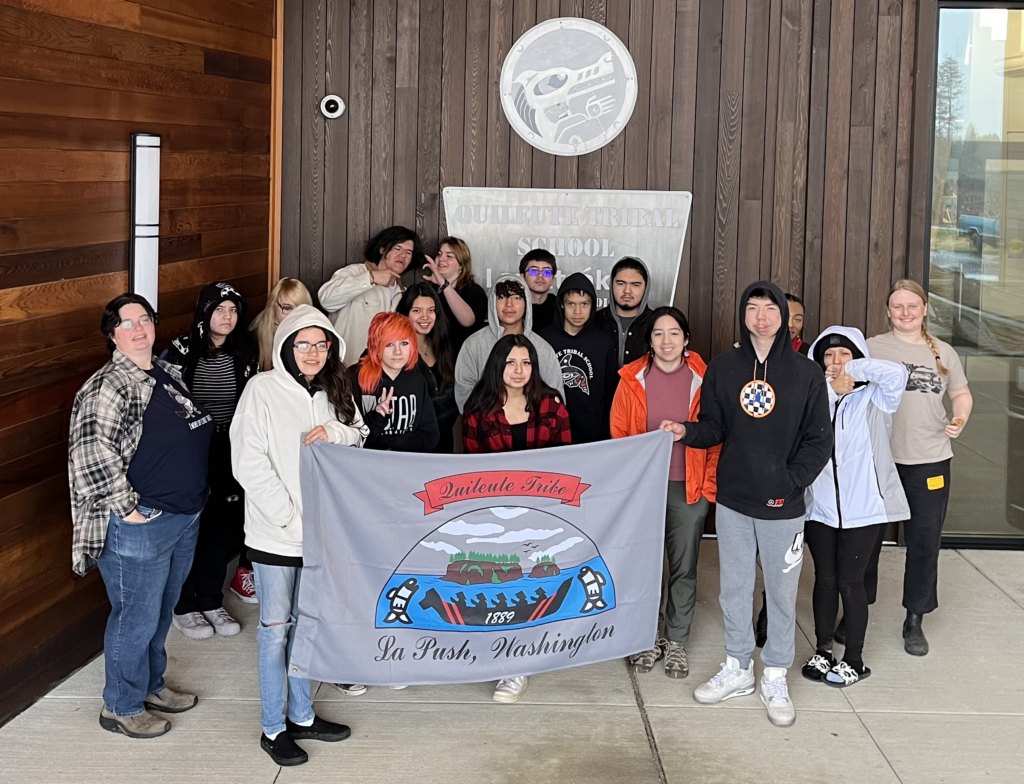
CCASE (now in its fourth year!) consists of two teams of UW undergraduate and graduate students who develop week-long geoscience curricula focused on Cascadia geohazards. CCASE team members teach this curriculum to high schoolers at Quileute Tribal School and Neah Bay High School over UW’s spring break. CCASE also features multiple mentoring visits to the coastal schools throughout the year as well as hosting high schoolers for a visit to UW campus. In addition, CCASE team members mentor high school intern students to complete a project focused on how Cascadia geohazards impact their local community.
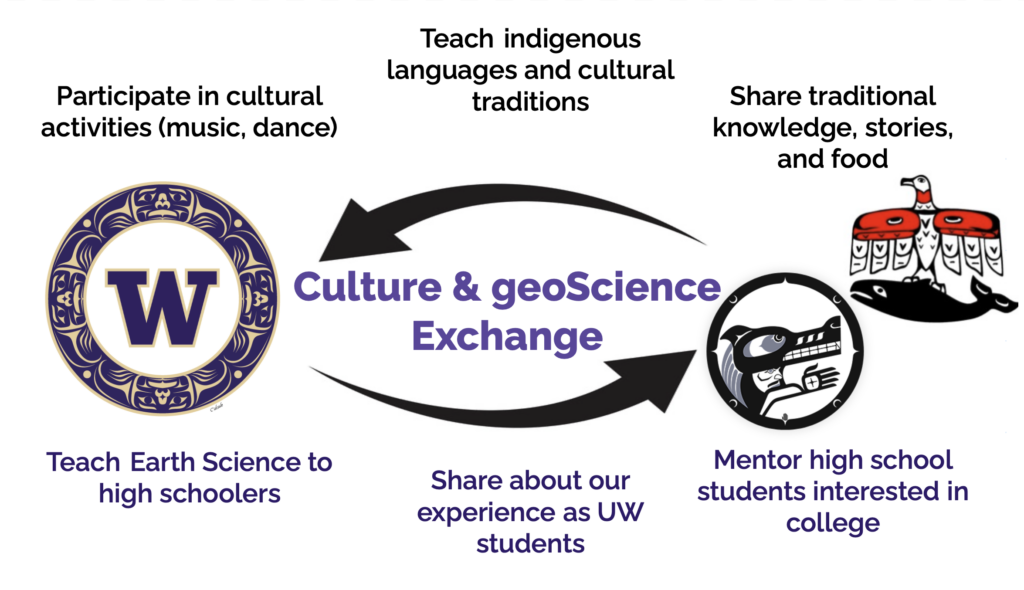
Riverways model for culture and science exchange program with rural and tribal schools (By M. Lucas).
Each year, CCASE team members have also emphasized the importance of reciprocity: they teach science, but also learn so much from the students, teachers, and communities they work with. Team members spend time with the language and culture teachers at QTS and NBHS, with Elders, and with community members who graciously share their cultural traditions, languages, histories, and traditional knowledge to make the Culture and geoScience Exchange program flourish.
CCASE
History
The Cascadia Culture and geoScience Exchange (CCASE) program grew out of the University of Washington’s Riverways Education Partnerships program, which is supported by NASA and the Northwest Earth and Space Sciences Pipeline (NESSP) and AmeriCorps. One of Riverways’ initiatives, the STEM Alternative Spring Break (ASB) / Culture and Science Exchange (CASE) program, has run successfully for over a decade. CASE specifically is a year-long mentorship program that partners UW students with K–12 schools in rural and tribal communities, providing hands-on STEM activities and guidance on pathways to higher education and STEM careers. Each Spring Break, teams of UW students spend a week teaching STEM curricula in these communities while participating in cultural activities and forging ties with community members.
In 2022, CCASE was launched as a geoscience-focused CASE program by students in UW’s Earth and Space Sciences Department. The program was conceived by UW graduate student Madeleine Lucas with the goal of teaching about Cascadia’s local geologic hazards through the hands-on, place-based learning model of CASE. In addition to support from NASA and NESSP through Riverways, CCASE leaders Madeleine Lucas and Julia Grossman secured supplemental grants and awards to sustain and grow the program. The inaugural 2022–23 CCASE program focused on geology and was in partnership with Quileute Tribal School (QTS). Building on the success of that year, CCASE continued in 2023–24 at QTS with a Cascadia CoPes Hub grant to develop seismology-focused curriculum.
In 2024–25, CCASE continued at QTS with a geomorphology curriculum, supported by a CRESCENT seed grant. That year, CCASE also expanded to Neah Bay High School, where a second CCASE team taught a seismology, tsunami, and landslides curriculum. A partnership with CRESCENT’s Geoscience Education & Inclusion HS STEM program helped make this expansion possible.
Now in its fourth year, CCASE is continuing at QTS with tsunami-focused curriculum and at Neah Bay with a seismology curriculum, and is continuing to receive supplemental support from the Pacific Northwest Seismic Network (PNSN) and a second CRESCENT seed grant. Through these programs, CCASE continues to provide Indigenous students with engaging, hands-on geoscience experiences, mentorship, and pathways into STEM while modeling the importance of culturally-rooted education.
CCASE
Programs
CCASE
Blogs
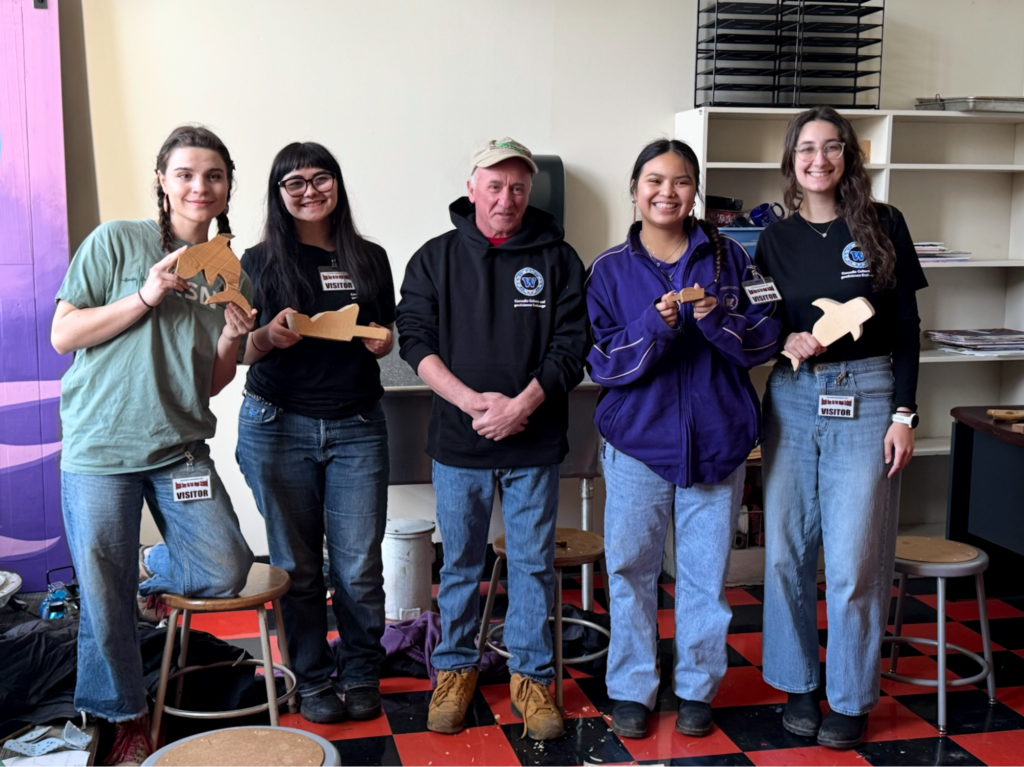
2. Makah CASE Spring Break 2026
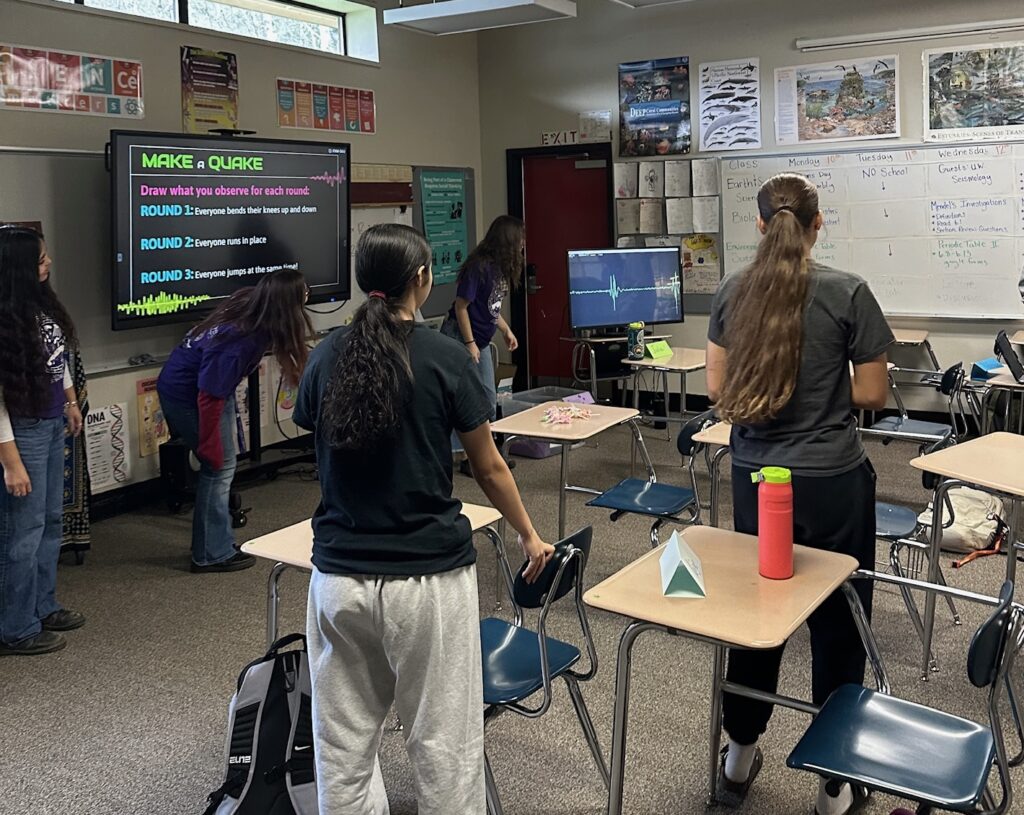
1. Makah CASE Fall Visit
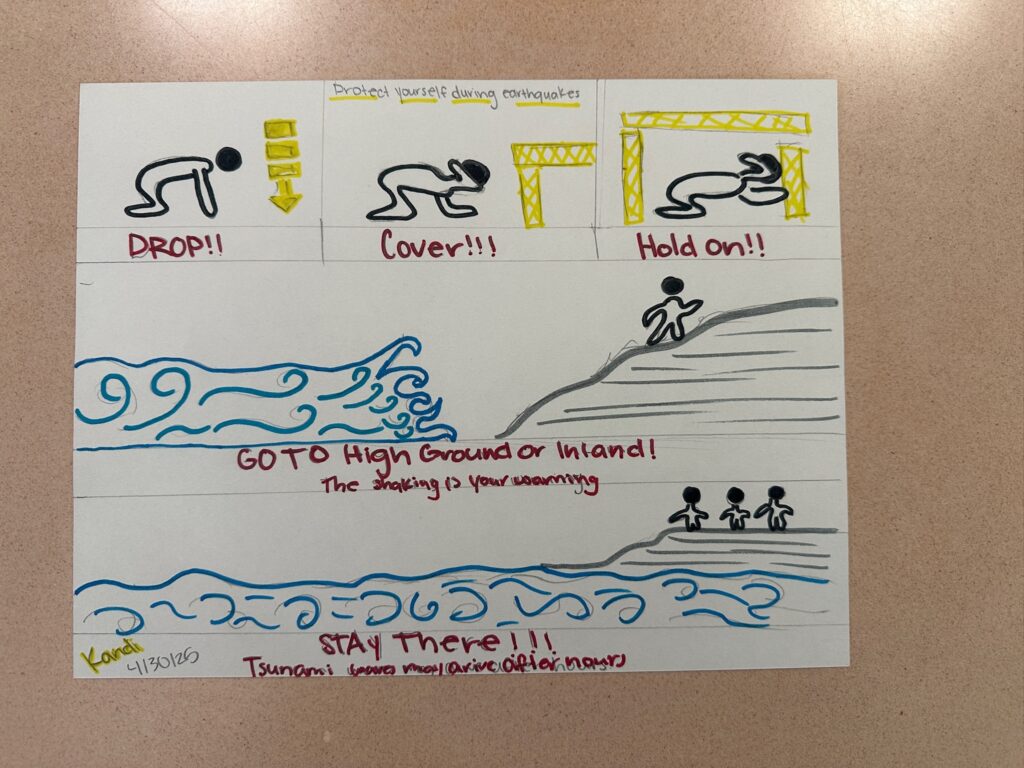
4. Makah CASE Final Visit
Resources & Curriculum
Coming Soon.
Meet The Team
CCASE Leadership
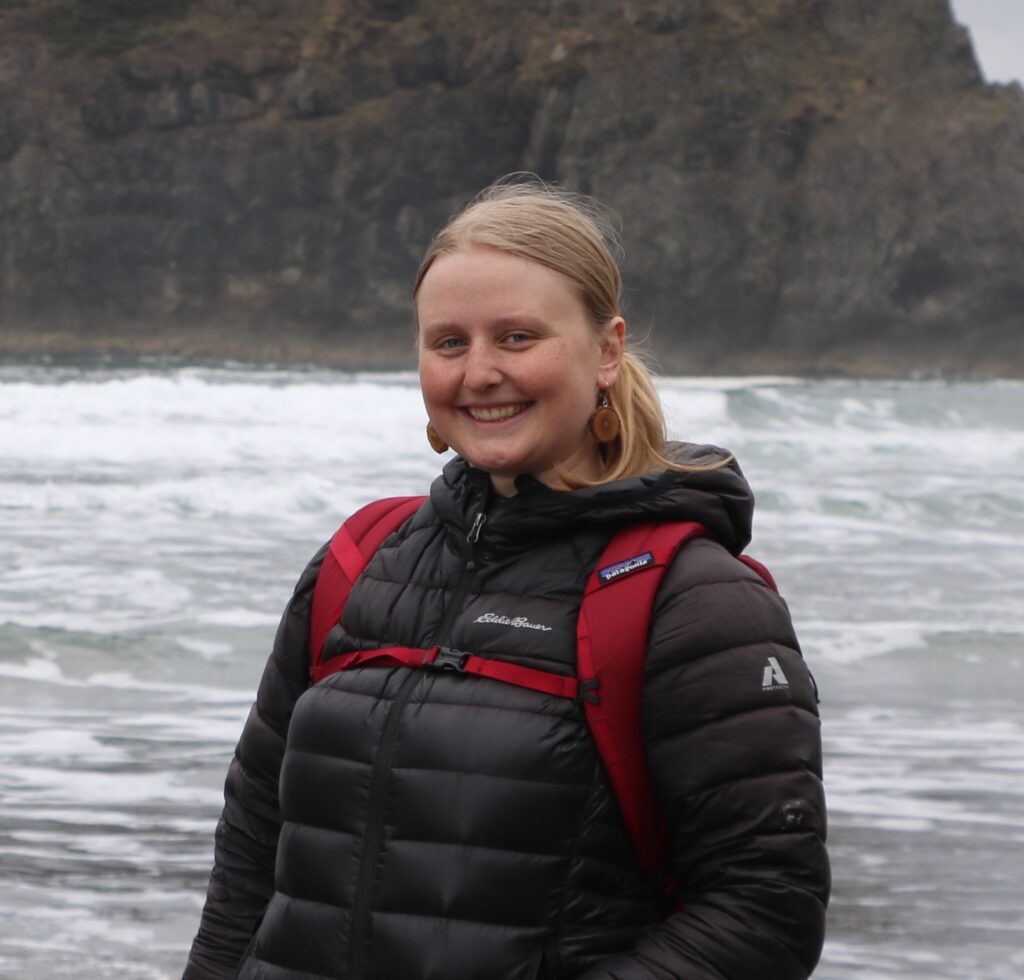
Madeleine Lucas
CCASE Program Director, Quileute CASE Lead
University of Washington
mlucas12@uw.edu
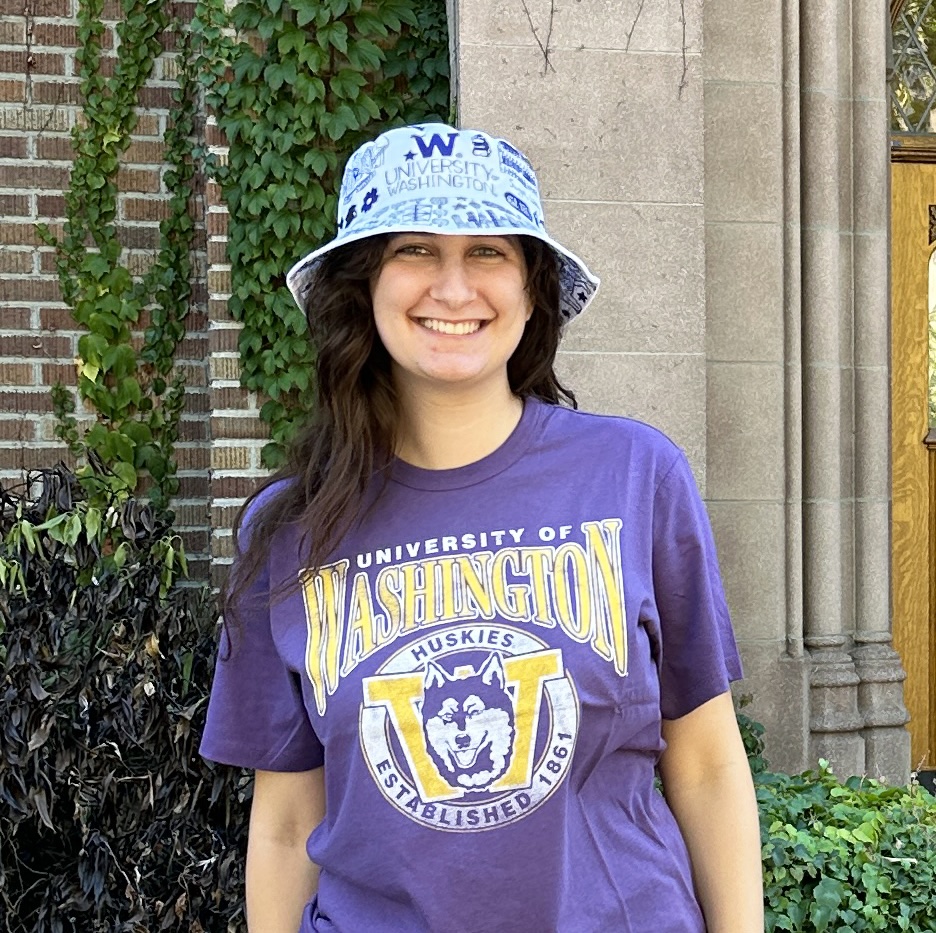
Julia Grossman
CCASE Program Co-Director, Makah CASE Lead
University of Washington
juliagro@uw.edu
Richard Parra
Interim Assistant Director for Riverways Education Partnerships
University of Washington
parrar@uw.edu
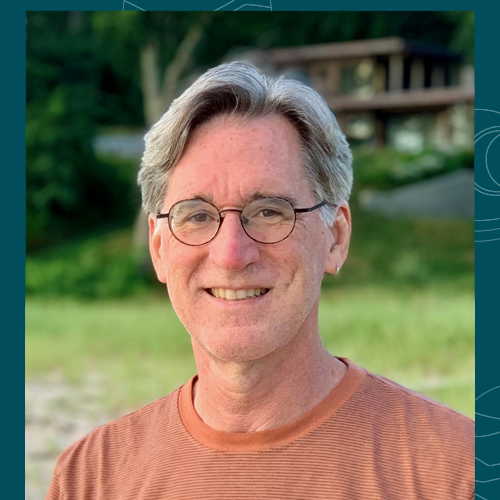
Harold Tobin
Director of PNSN
University of Washington
htobin@uw.edu
CCASE Appreciates You!
Program Partners and Sponsors
CCASE gratefully acknowledges program partners and sponsors.
Earth & Space Sciences
Riverways Education Partnerships