

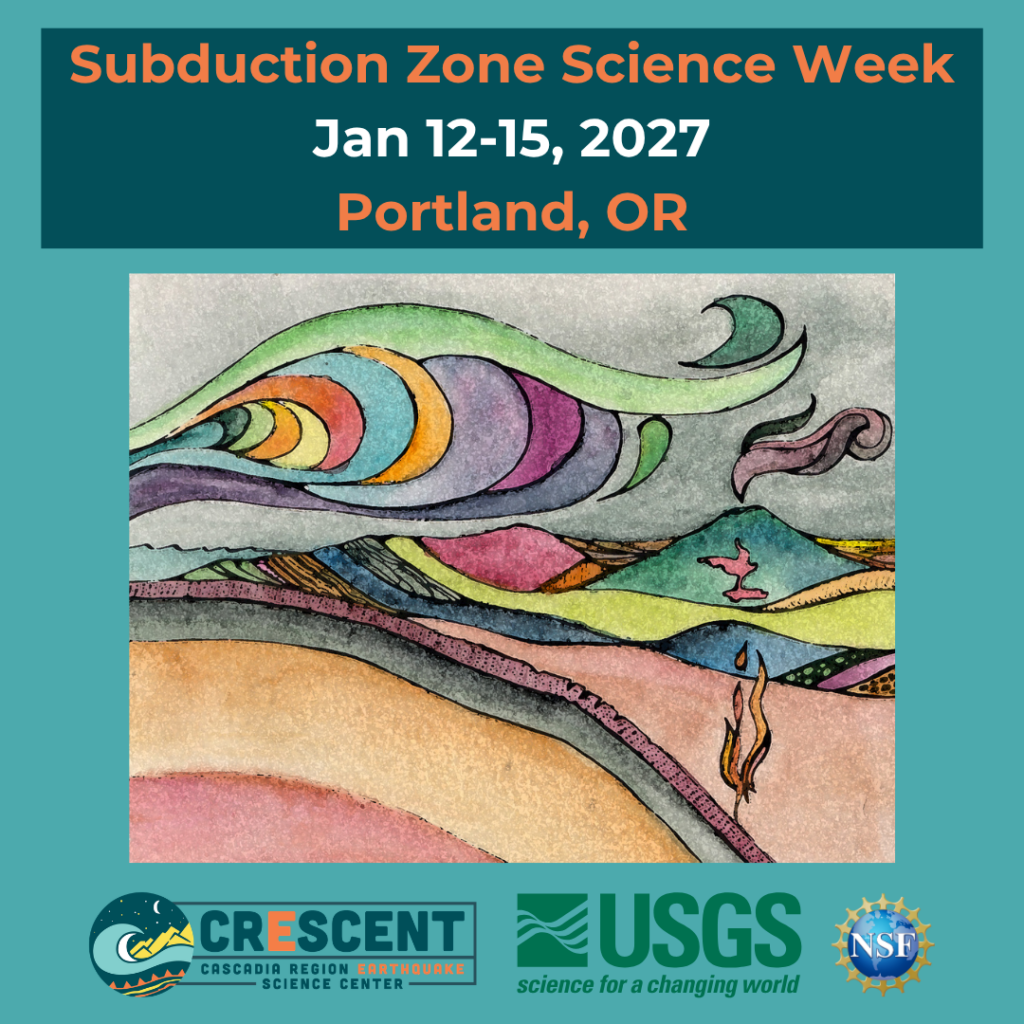
Subduction Zone Science Week
January 12-15, 2027
Portland, OR
Meeting Goals

Subduction Zone Science Week will convene the nation’s leading subduction zone researchers, federal scientists, engineers, and community partners to integrate global and Cascadia-focused knowledge across earthquakes, tsunamis, volcanoes, landslides, and cascading hazards.
Subduction Zone Science Week is co-organized by the USGS and CRESCENT to focus broadly on the subduction zone natural hazards and community resilience. The goals are to:
- Foster collaboration between subduction zone and multi hazard researchers;
- Bridge gaps, and increase communication among subduction zone research groups; and
- Identify and encourage synergistic collaborative activities in U.S. and global subduction zones.
The first two days are aimed towards USGS Subduction Zone Science priorities and will highlight a broad range of natural hazards in subduction zone systems and how science, monitoring, and forecasting can enhance resilience within the U.S. and globally. Topics will include subduction zone paleoevent characterization, hazard and risk modeling of natural disasters, cascading hazards, monitoring and warning systems, external engagement, and hazard and risk communication.
The second two days focus on the Cascadia Subduction Zone, where CRESCENT has accelerated targeted research, community engagement, and workforce initiatives.The Cascadia program is organized around questions rather than disciplines. Each session leads with a hazard or risk question and brings in the science that answers it, alongside the people who use that science to make decisions.
The knowledge synthesized during Subduction Zone Science Week will directly inform the tools, models, and warning systems that protect millions of people living in Alaska, the Pacific Northwest, the Caribbean, and other U.S. regions exposed to subduction zone hazards.
Subduction Zone Science Week is supported by the U.S. Geological Survey under Grant/Cooperative Agreement No. G26AC00314-00 and by NSF Cooperative Agreement #2225286


Meeting Details
Registration Open
There are no registration fees for this meeting. Register by January 1, 2027.
For more information, please contact us at cascadiaquakes@uoregon.edu.
Travel & Lodging
January 12-15, 2027
Hilton Portland Downtown, Portland, OR
Venue
Subduction Zone Science Week will be held at the Hilton Portland Downtown (located at 921 SW Sixth Avenue, Portland, OR 97204) on January 12-15, 2027.
Flights, ground transportation and parking
Trimet MAX North Pioneer Square station is 0.1 miles north of Hilton Portland Downtown and is served by regular Red Line trains from PDX airport.
The following Trimet bus lines have routes that pass near Hilton Portland Downtown: 14, 17, 19, 44, and 54, plus FX2
If commuting daily to the conference, valet parking at Hilton Portland Downtown runs $32.00 first 3 hours; $9.00 per additional hour; with a $59.00 daily maximum
If you booked lodging in the block, negotiated overnight parking rates are available: self-parking at $29 per vehicle/night or valet parking at $45 per vehicle/night.
Lodging
Hilton Portland Downtown (located at 921 SW Sixth Avenue, Portland, Oregon, 97204, USA) is the host hotel for overnight guests.
The group rate includes a continental breakfast which will be served in the main conference area. Discounted overnight parking rates have been negotiated with group rate: self-parking at $29 per vehicle/night or valet parking at $45 per vehicle/night.
Follow this link to book a room in the block: https://book.passkey.com/go/SubductionZoneScienceWeek
The deadline to book lodging is December 18, 2026.
Poster Session Details
Fill out this form to confirm you will be bringing a poster by December 18, 2026.
There are three formal poster sessions during SZS Week:
Tuesday, January 12, 2027, 4:30-6:30 pm
Thursday, January 14, 2027, 10:00-11:30 am & 4:30-6:30 pm
There will also be time to visit posters during breaks.
Poster session logistics:
- Poster dimensions should be a maximum of 8′ (width) by 4′ (height).
- You will have the opportunity to hang your poster in the poster session space on Tuesday, during the lunch break or Thursday, upon arrival.
- Each poster will be assigned a number that corresponds to a designated location. Staff will be on hand to help you find your space. Push pins/ tape will be provided for you to hang your poster.
- You may leave your poster up overnight until the sessions end and remove it on Wednesday at 12:00 pm or Friday at 12:00 pm. All posters need to be removed before 1:00 pm on Friday.
Agenda
Notes: All times Pacific Time.
USGS SZS Session (Tuesday and Wednesday)
Topics include:
- Deciphering Paleoevent Timing, Sources, and Impacts along U.S. Subduction Zones
- Monitoring and Warning Systems for Subduction Zone Natural Hazards
- Modeling Natural Hazards and their Impacts
- Stakeholder Engagement and External Research Collaboration
- SOUP: Subduction Outside of the USGS Priorities. Updates on SZS initiatives, ‘open questions’, and topics outside the other session topics.
Cascadia SZS Session (Thursday and Friday)
Topics include:
- The next event: what happens, and to whom? An opening scenario session.
- How hard will it shake? From earthquake sources to infrastructure impacts.
- How high does the water go? From the seafloor to inundation of our coastal communities.
- How much time do we have? Earthquake hazards across timescales.
- Beyond earthquakes: Ground failure, subsidence, volcanoes, and cascading hazards
- What should we build together? Towards the next 5 years of CRESCENT.
Meet The Team
Planning Committee
CRESCENT and USGS members bring expertise and connections from across the spectrum of research and practice to guide the planning process.
Diego Melgar
Cascadia Lead
CRESCENT / University of Oregon
dmelgarm@uoregon.edu
Lydia Staisch
USGS Co-lead
United States Geological Survey
lstaisch@usgs.gov
Alex Iezzi
USGS Co-lead
United States Geological Survey
aiezzi@usgs.gov
Ashley Streig
Washington Geological Survey
gongjian@iu.edu
Drake Singleton
United States Geological Survey
dsingleton@usgs.gov
Janet Watt
United States Geological Survey
jwatt@usgs.gov
Becky Fildes
Western Washington University
fildesr@wwu.edu
Jenny Riker
United States Geological Survey
jriker@usgs.gov
Holly Weiss-Racine
United States Geological Survey
hweiss-racine@usgs.gov
Armin Stuedlein
Oregon State University
armin.stuedlein@oregonstate.edu
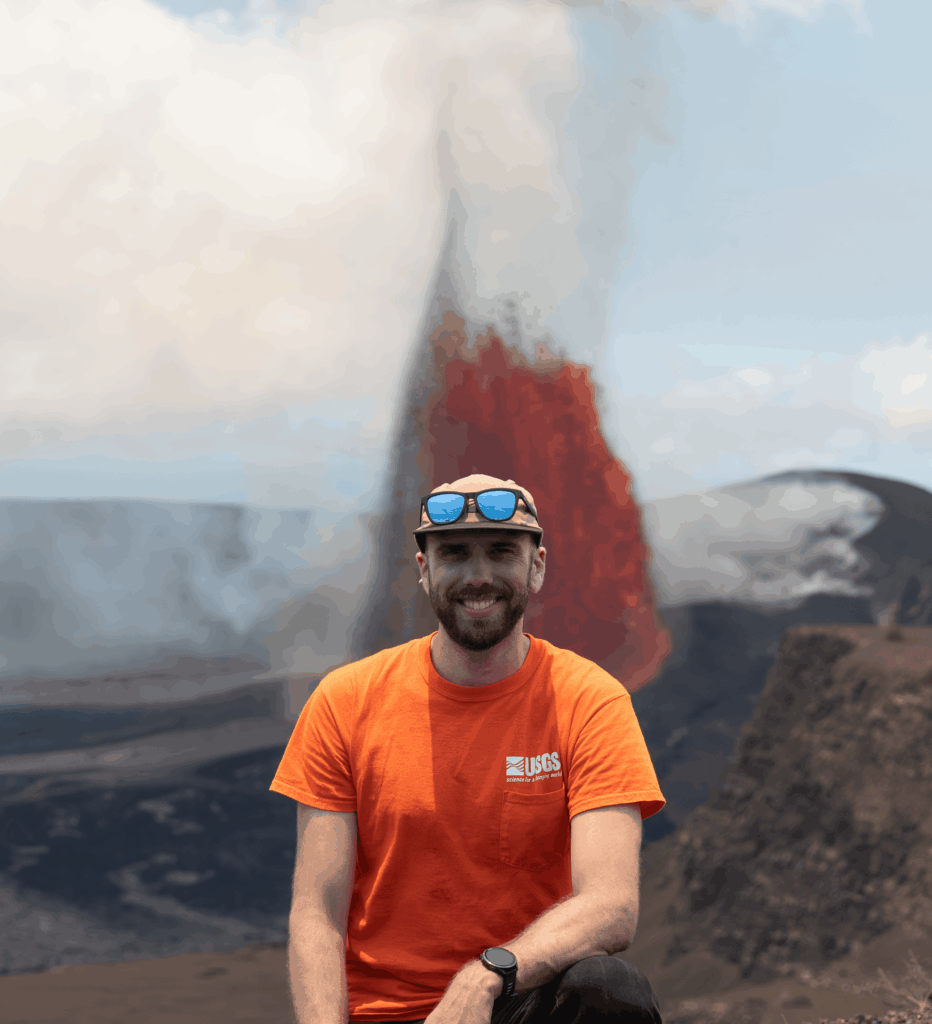
Tyler Paladino
United States Geological Survey
tpaladino@usgs.gov
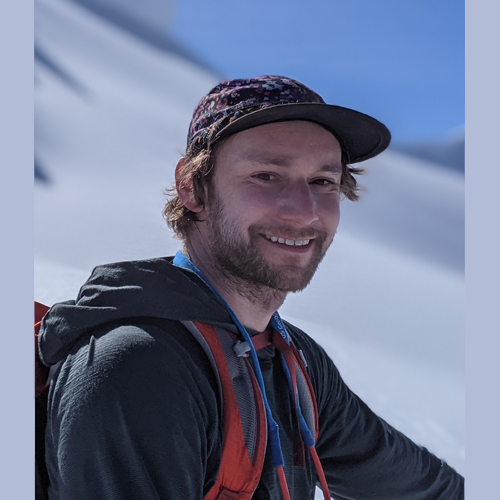
alex grant
United States Geological Survey
agrant@usgs.gov
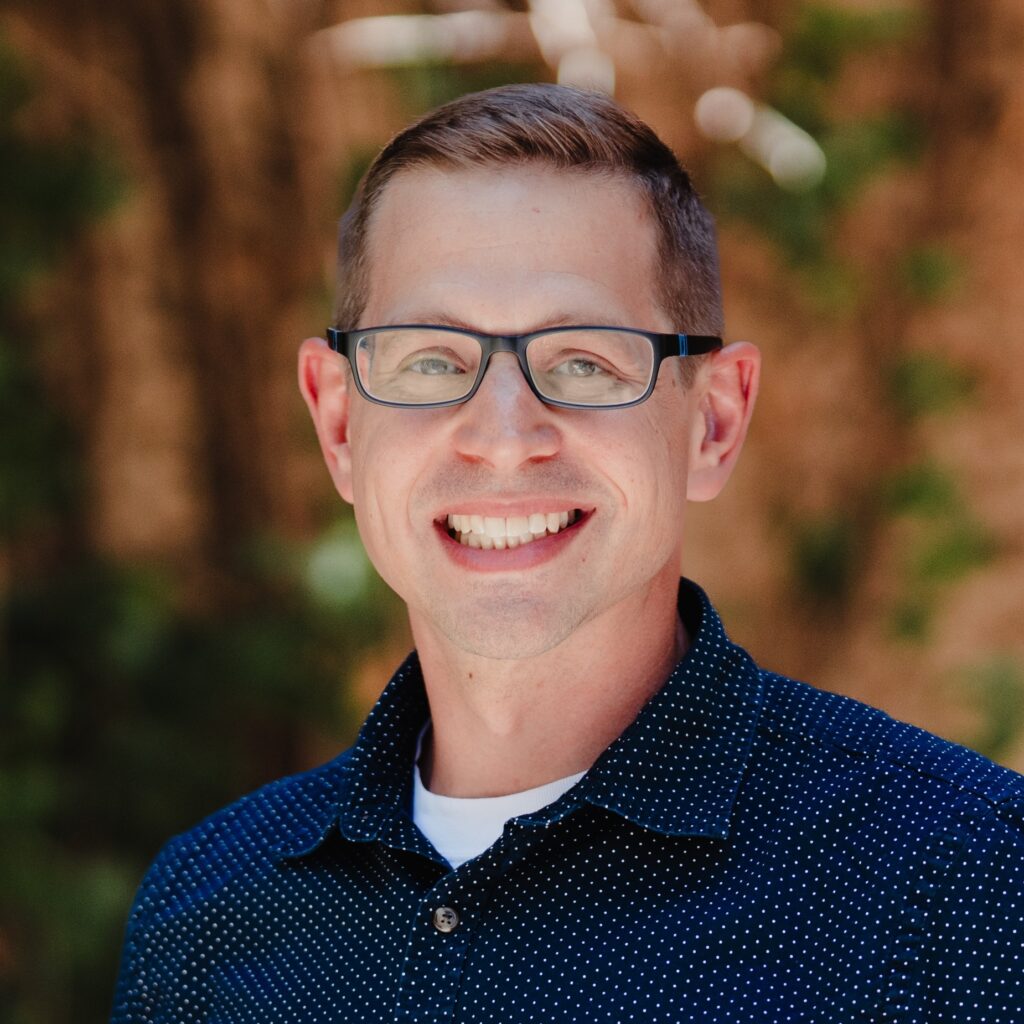
Matthew Herman
California State University Bakersfield
mherman2@csub.edu
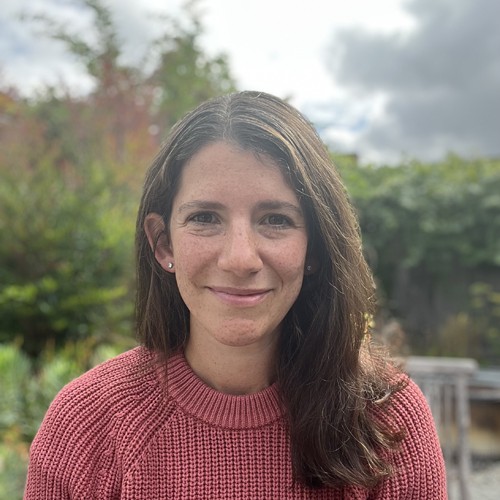
Erin Wirth
United States Geological Survey
emoriarty@usgs.gov
