
Public lecture, expert panel, and resilience research showcase
Towards Critical Infrastructure Resilience
February 3, 2027 | University of Oregon, Eugene, OR
Event Details

Public lecture, expert panel, and resilience research showcase highlighting policy and preparedness needs for Oregon’s critical lifelines infrastructure
On January 26, 1700, a massive earthquake occurred on the Cascadia Subduction Zone, causing violent shaking throughout the Pacific Northwest, and triggering a tsunami that reached Japan. More than three centuries later, this wintertime anniversary serves as a reminder of the seismic hazards we face in our region, and the importance of preparing for the next Cascadia earthquake.
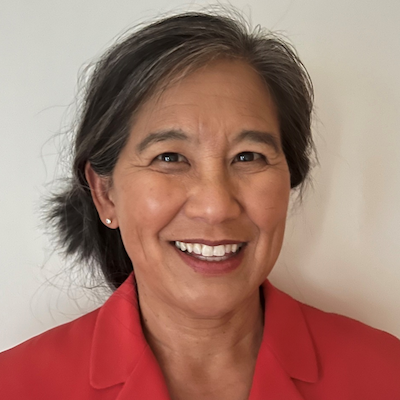
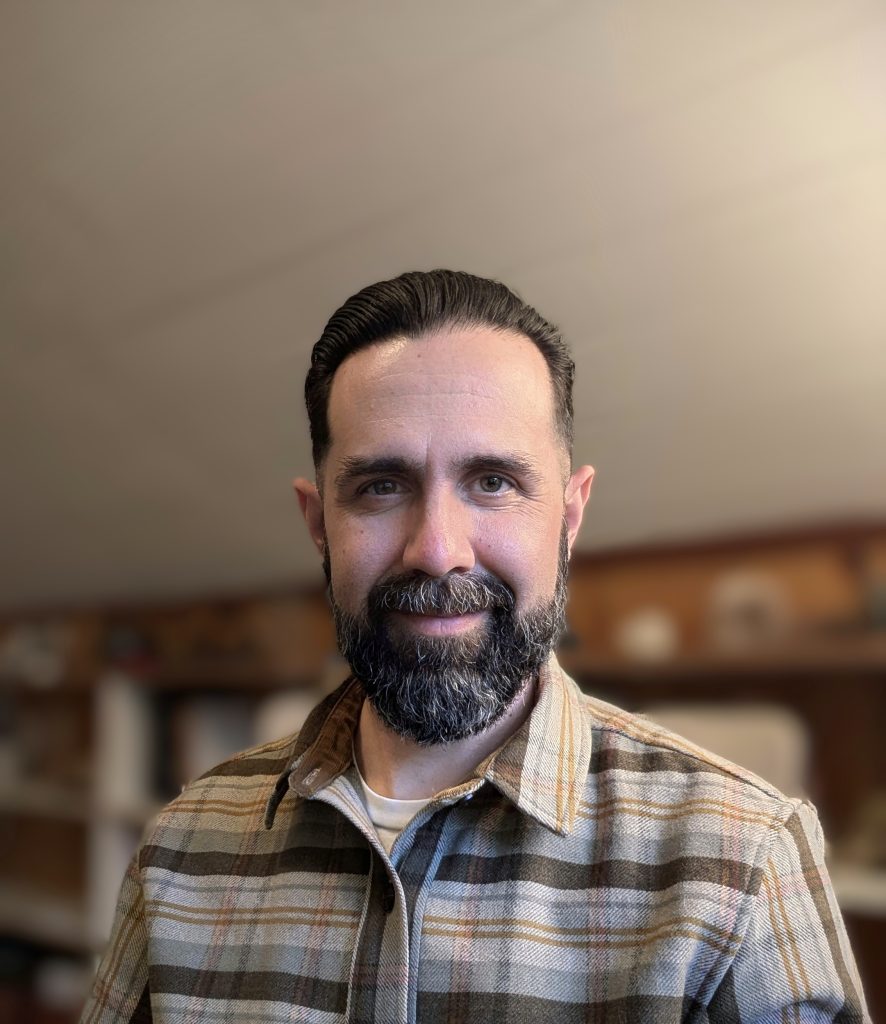
What: Join us at the University of Oregon for a presentation from 2026 EERI Distinguished Lecture Award recipient Yumei Wang (Senior Advisor on Infrastructure Resilience and Risk, PSU), followed by an update on projected earthquake damage and losses for Eugene-Springfield from Eduardo Guerrero (Oregon Department of Geology and Mineral Industries), a panel discussion with regional policy and infrastructure leaders, and a reception highlighting student and faculty resilience research.
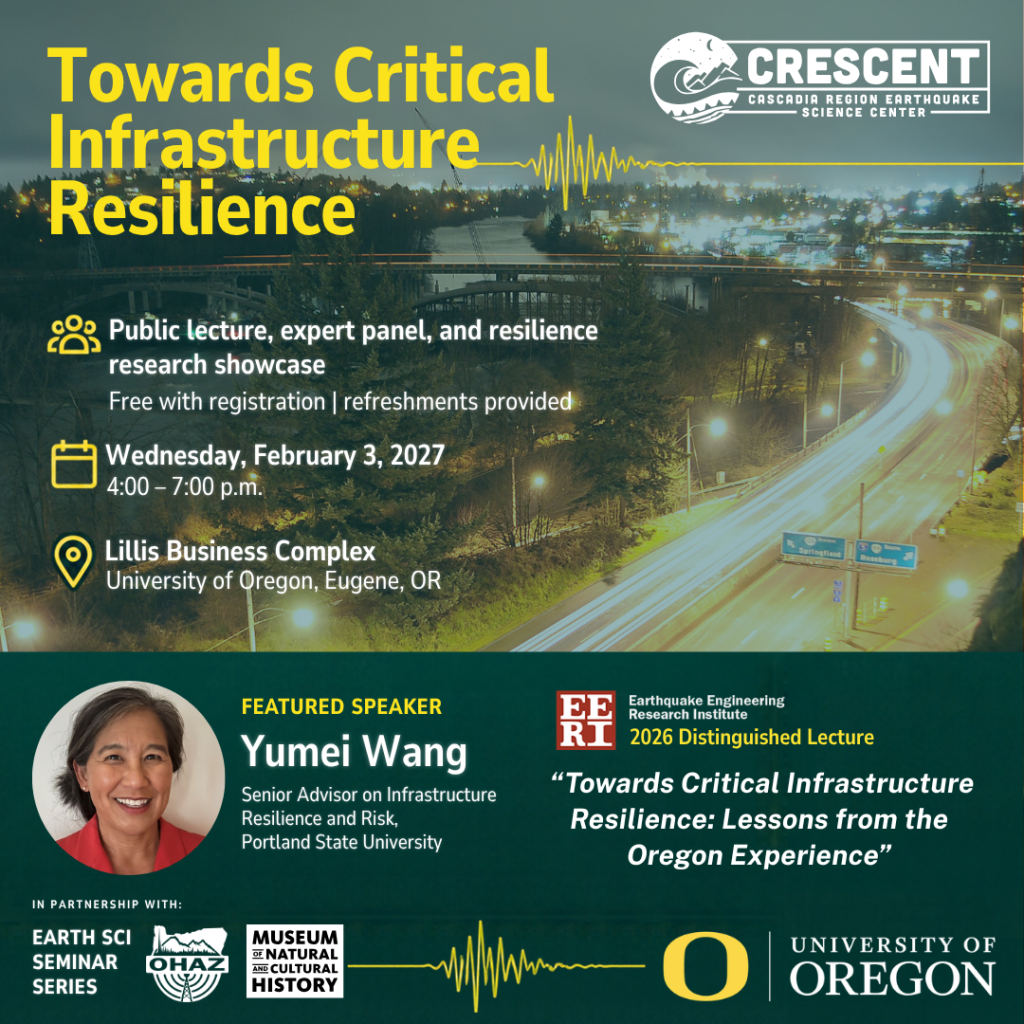
When: Wednesday, February 3 from 4 to 7 p.m. (refreshments provided)
Where: Lillis Business Complex, 955 E 13th Ave, University of Oregon, Eugene, OR 97401
Event Sponsors: This event is hosted by the Cascadia Region Earthquake Science Center (CRESCENT) in coordination with the Department of Earth Sciences Seminar Series. We are grateful for the support of our University of Oregon partners and sponsorship from UO Government and Community Relations (GCR), UO Center for Science Communication Research (SCR), UO School of Planning, Public Policy and Management (PPPM), UO Institute for Policy Research and Engagement (IPRE), Museum of Natural and Cultural History (MNCH), and Oregon Hazards Lab (OHAZ).


Registration
Registration is free and open to all via the link below.
If you have any additional questions, please email: cascadiaquakes@uoregon.edu.


Speakers
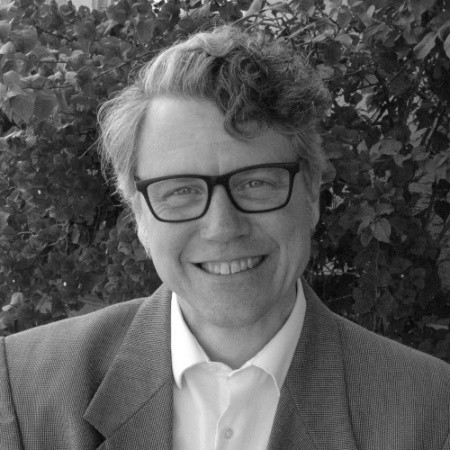
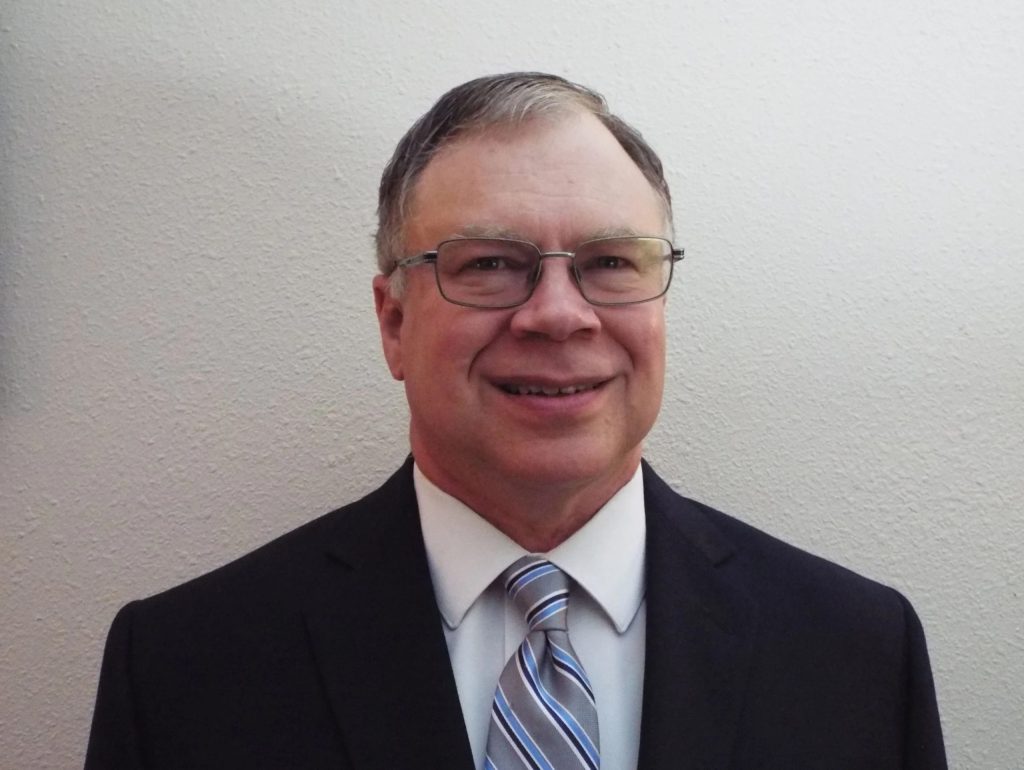
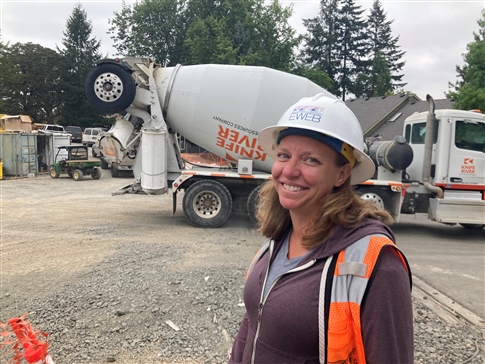
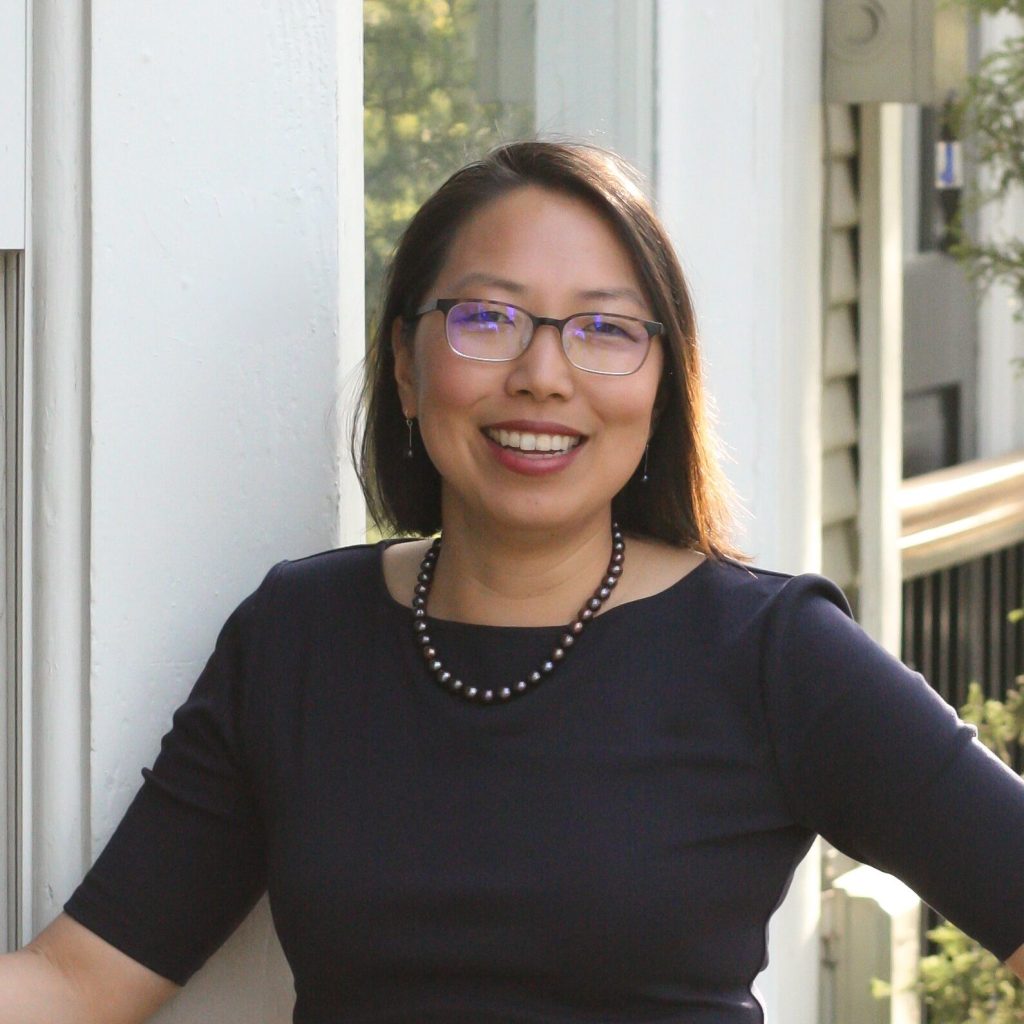
Our presenters and panelists include expert researchers, practitioners, and policy makers invested in increasing our region’s critical infrastructure resilience.
Presenters:
Panelists:
- Policy: Steve Adams, Policy Director, Lane County Government
- Communications: Jackie Wirz, Executive Director, Link Oregon
- Utilities: Laura Farthing, Senior Engineer (Water), EWEB
- Dams: Ross Hiner, Dam Safety Program Manager, USACE NW Division
- Transportation: Ray Bottenberg, State Bridge Engineer, Oregon Department of Transport
- Hospitals: Jean-Paul Paquette, System Director of Facilities, PeaceHealth