
Tsunami Sources for Hazard Assessment
Special Interest Groups
Special Interest Group
Tsunami Sources for Hazard Assessment

Simulating the fluid dynamics of a tsunami requires a source model specifying seafloor motion. For tsunami hazard assessment, a collection of sources is needed that spans some range of potential future earthquakes. Within the Cascadia Subduction Zone, several sets of sources have been used in the past, either for “scenario modeling” or for full probabilistic tsunami hazard assessment (PTHA). New sets are being actively generated and studied by the DET Working Group, as well as by others such as the USGS Powell Center Tsunami Source Standardization Working Group and Cascadia CoPes Hub Team 1.
The Tsunami Sources for Hazard Assessment (TSHA) SIG seeks to help tsunami modelers and stakeholders in the emergency management and engineering communities understand the relation between these sets of sources and their appropriate use for practical tsunami hazard assessment projects or risk/loss calculations, while also ensuring transparent reproducibility of source generation methods and fostering continued improvements to these models. This SIG will collaborate with the CPAL Working Group to include information on past inundation and land-level changes as context to these sources, using recent geologic studies, when feasible. This SIG will also work on collecting and/or cataloging sources in open data repositories, and developing software and tutorials to facilitate their use.
Engagement Opportunities
If you are interested in contributing to this SIG, please complete the interest survey. To receive updates, please join the TSHA community listserv. Please also consider joining us at the Dynamic Rupture, Earthquake Cycle, and Tsunamis Working Group (DET) Topical Workshop on May 28 & 29, 2026. “At the Shallow Frontier: Faulting, Deformation, and Tsunamigenesis in Cascadia” will be held at the University of Oregon in Eugene, Oregon.
Meet The Team
Tsunami Sources for Hazard Assessment SIG Membership
Ignacio Sepulveda
San Diego State University
isepulveda@sdsu.edu
Amy Williamson
University of California, Berkeley
amy.williamson@berkeley.edu
Randall J LeVeque
University of Washington
rjl@uw.edu
Daniel Eungard
Washington Geological Survey
daniel.eungard@dnr.wa.gov
Jonathan Allan
Oregon Department of Geology and Mineral Industries
jonathan.allan@dogami.oregon.gov
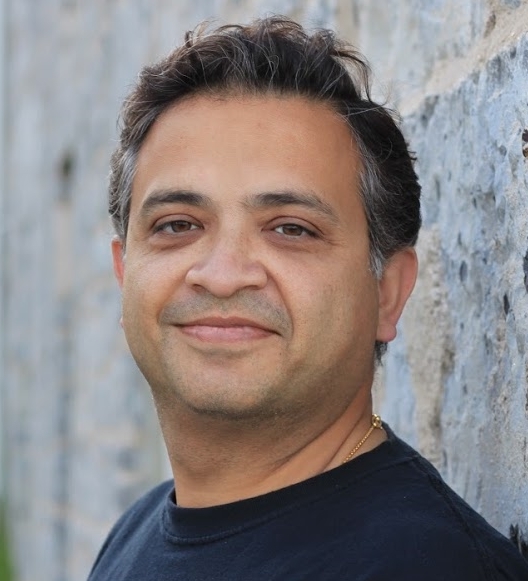
Shubharoop Ghosh
Image Cat, Inc.
sg@imagecatinc.com
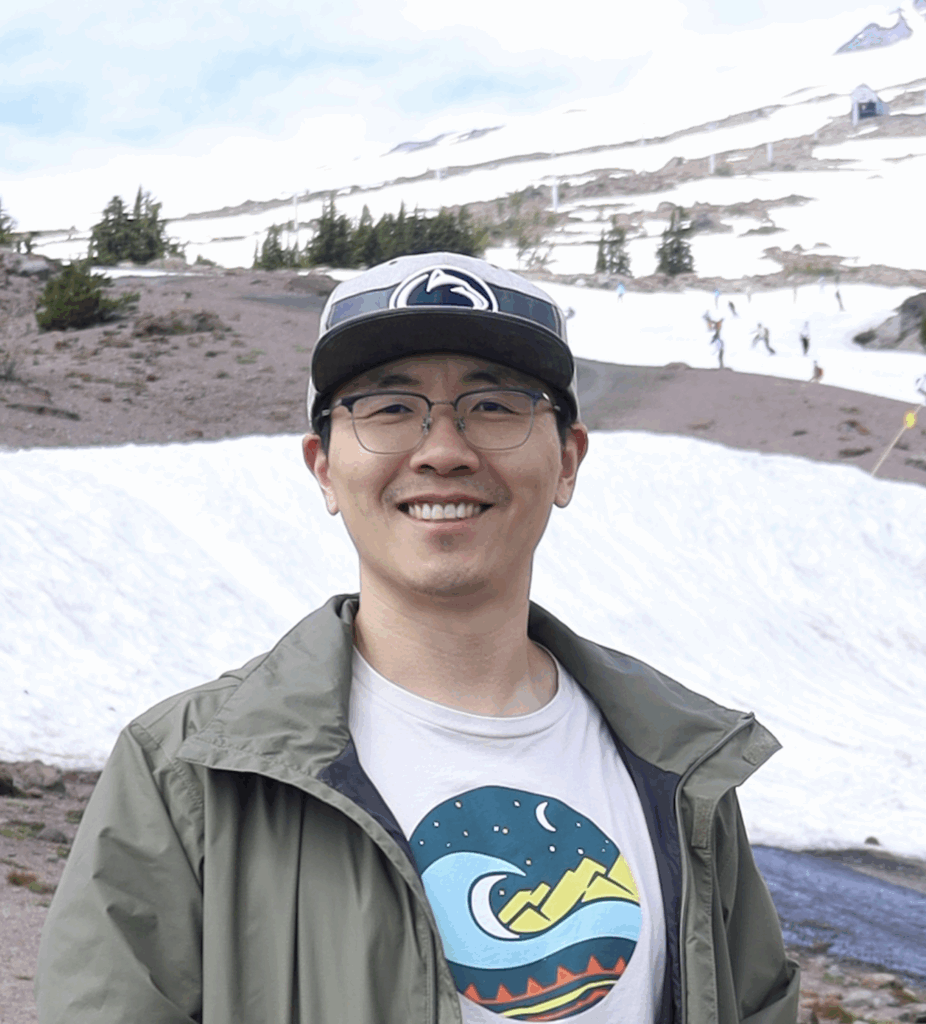
Tianhaozhe Sun
University of Victoria
thzsun@uvic.ca
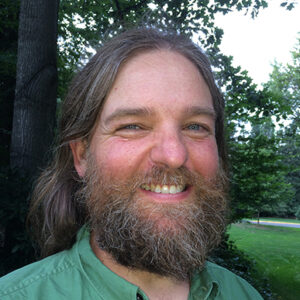
Jason Patton
California Geological Survey
jason.patton@conservation.ca.gov
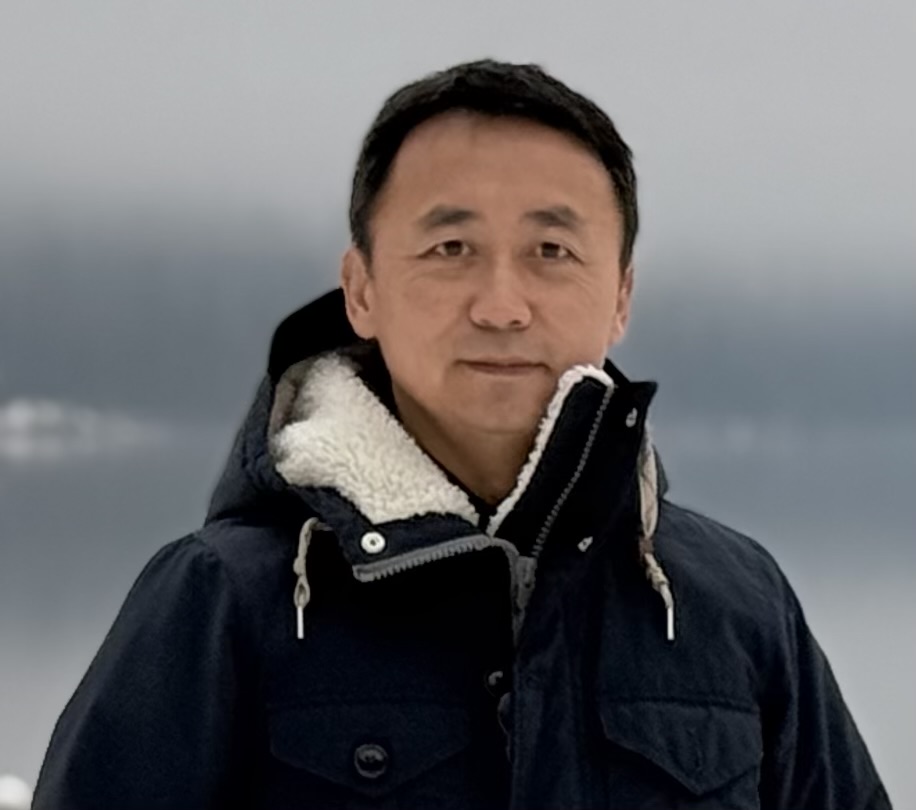
Yong Wei
University of Washington
yongwei@uw.edu
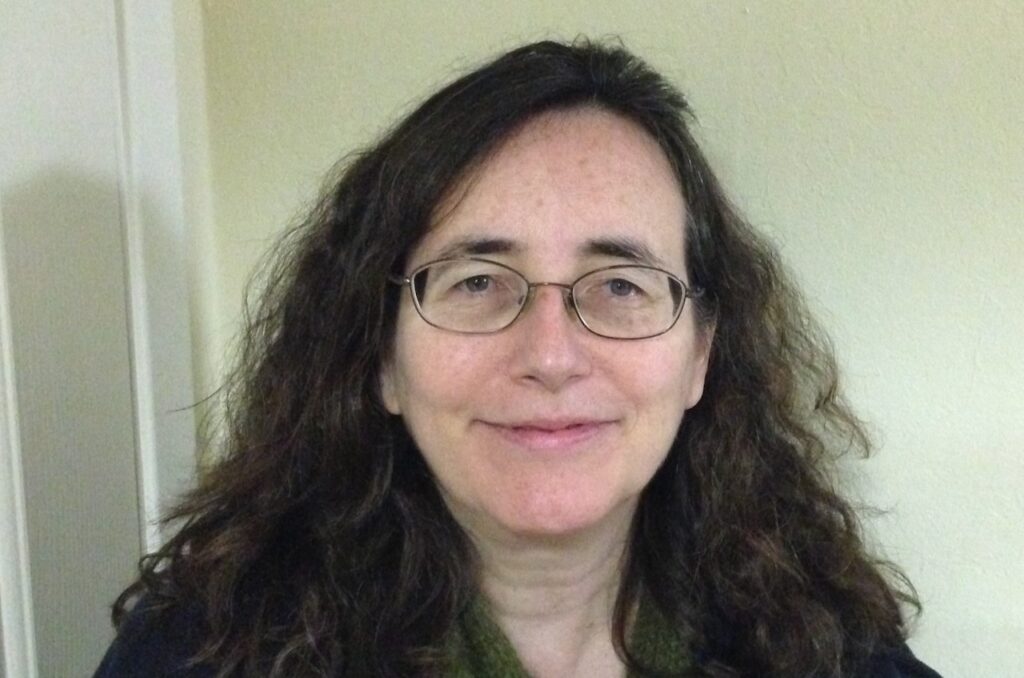
Stephanie Ross
United Stated Geological Survey
sross@usgs.gov
Elena Troshina
Alaska Earthquake Center
ensuleimani@alaska.edu
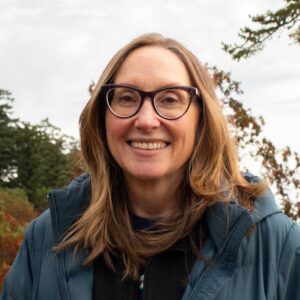
Carrie Garrison-Laney
Washington Sea Grant
cegl@uw.edu
